---
ai_summary: "\\- Developed vascular AI CADt using machine‑learning models for CTA\
\ analysis. \n- Executed regulatory strategy, design controls, and cybersecurity\
\ (threat modeling, SBOM, penetration testing). \n- Completed pivotal clinical\
\ study and statistical analysis. \n- Delivered full 510(k) eSTAR submission, cleared\
\ in 9months with only two FDA deficiencies."
case_study_510ks:
- 394bd5b7-a754-8017-bd11-d113b1df47ab
client_logo:
- 35abd5b7-a754-8167-a4c2-fe6e3365b15a
client_name: GuideAI Health
date: '2026-08-25'
featured: true
medical_panel: Radiology
name: CADt from Concept to FDA Clearance in 9 Months
services:
- 299bd5b7-a754-8036-8380-d6165b0c1670
summary: Fast 510(k) cleared vascular AI CADt in 9 months after stalled strategy,
with only two FDA deficiencies.
tags:
- 510k
- AI/ML
testimonials: []
---
## The Outcome
We took GuideAI from regulatory uncertainty to FDA clearance in 9 months --- with a fixed-price Fast 510(k), only two FDA deficiencies, and an IPO days later.
## The Problem
GuideAI had developed an impressive suite of vascular AI models, but their existing regulatory consultants were struggling to move at the required speed. After nearly 14 months without results, the team became concerned that they wouldn't be able to meet their investor's expected timelines for their first product clearance.
## What We Did
GuideAI did not need another consultant writing isolated documents. They needed a team that could turn an AI model into a submission-ready medical device package --- fast. Innolitics owned the regulatory architecture, clinical evidence plan, software documentation, cybersecurity package, and FDA interaction so GuideAI's engineering team could keep building.
### Regulatory Strategy
- Evaluated multiple possible product directions and selected an initial CADt strategy aligned with GuideAI's business goals and existing AI development.
- Refined the product definition and intended use so engineering, clinical testing, cybersecurity, and submission documentation stayed aligned.
### Clinical Performance Testing
- Designed the pivotal clinical test protocol.
- Due to timeline constraints, we opted to skip a pre-sub.
- Helped execute pilot testing and a retrospective, blinded, multicenter performance study.
- Completed the statistical analysis and wrote up the performance study report for the 510(k).
### Software and Design Controls
- Ran a four-phase design control process from product definition through validation and release readiness.
- Drafted the instructions for use and installation manual.
- Wrote all the software documents required for the eSTAR package.
### Cybersecurity
- Completed threat modeling and a security risk assessment to identify required cybersecurity controls for the engineering team to implement.
- Created the SBOM for the software.
- Completed cybersecurity testing, including requirements-based security verification, threat-mitigation testing, vulnerability testing, and penetration testing.
- Drafted all of the cybersecurity documents required for the FDA submission.
### 510(k) Submission
- Collated the full eSTAR 510(k) submission and acted as FDA correspondent.
- Managed the interactive review and AINN response process.
- Organized the deficiency response and kept the submission moving to clearance without derailing the timeline.
## Timeline
- **October 2025** --- Product Definition and Regulatory Strategy Completed
- **October 2025 to February 2026** --- GuideAI's Engineering Team Built the CADt Product and refined their existing AI models
- **November 2025 to January 2026** --- Designed and ran pivotal study to assess the device's ability to triage cases.
- **February 2026** --- Completed statistical analysis and writeup for the pivotal study.
- **February 2026** --- Completed penetration testing
- **March 2026** --- Completed the final V&V and 510(k) documentation within two weeks of the software being completed.
- **June 18, 2026** --- Device is cleared 9 months after project kickoff ([K260729](https://www.accessdata.fda.gov/scripts/cdrh/cfdocs/cfpmn/pmn.cfm?ID=K260729)).
- **June 29, 2026** --- IPO at a market cap over \$70M ([Cboe CA: GDAI](https://www.cboe.com/insights/posts/cboe-canada-welcomes-listing-of-guide-ai-health-corp)).
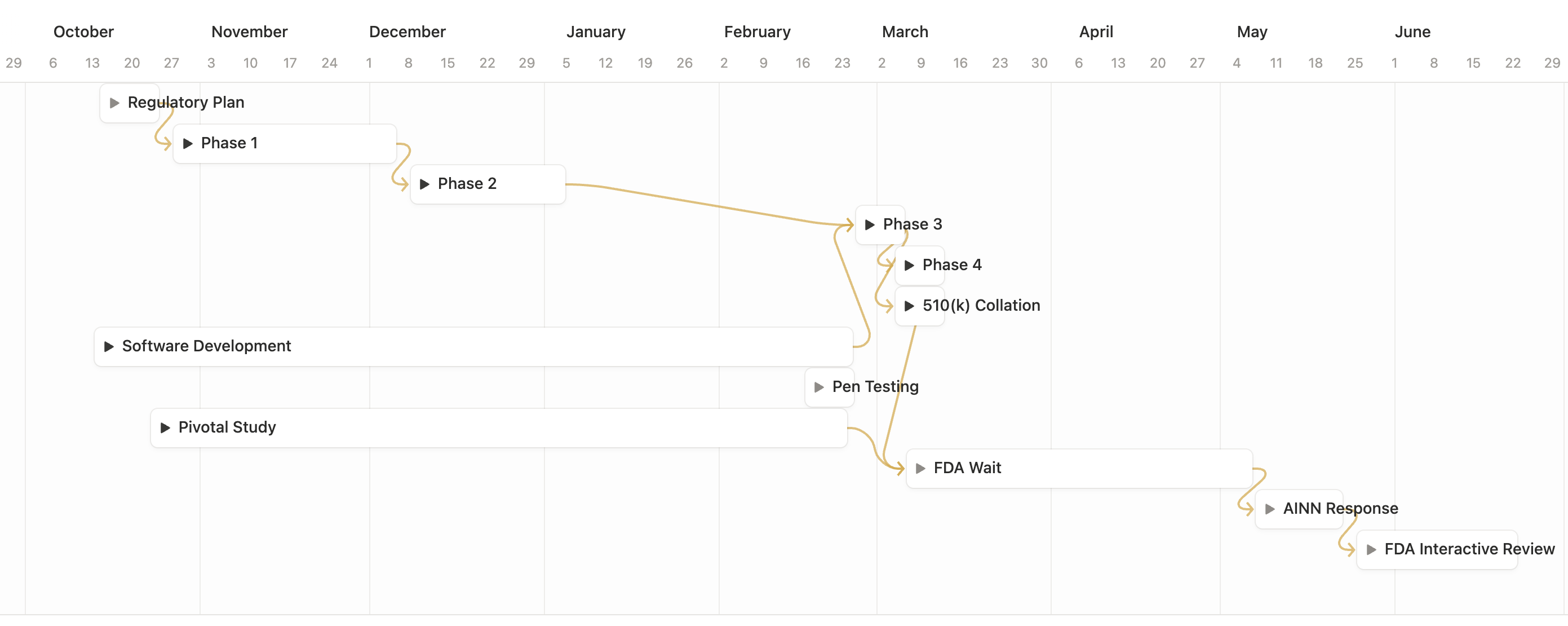
The actual Gantt chart for the project, show casing the rapid completion
time. We submitted within our 4-month clock, as the clock was paused
pending software development during most of January and February. As
soon as the software was completed, we finished all the documentation in
testing a couple of weeks. The submission was returned with only two
deficiencies, and was cleared 9 months after the project kickoff.
## About Vascular Assist Occlusion Triage
VAOT is FDA-cleared radiological computer-aided triage and notification software for CTA studies. It uses machine-learning techniques to analyze CTA images and alert the PACS/RIS workstation when imaging patterns suggest possible arterial occlusion.
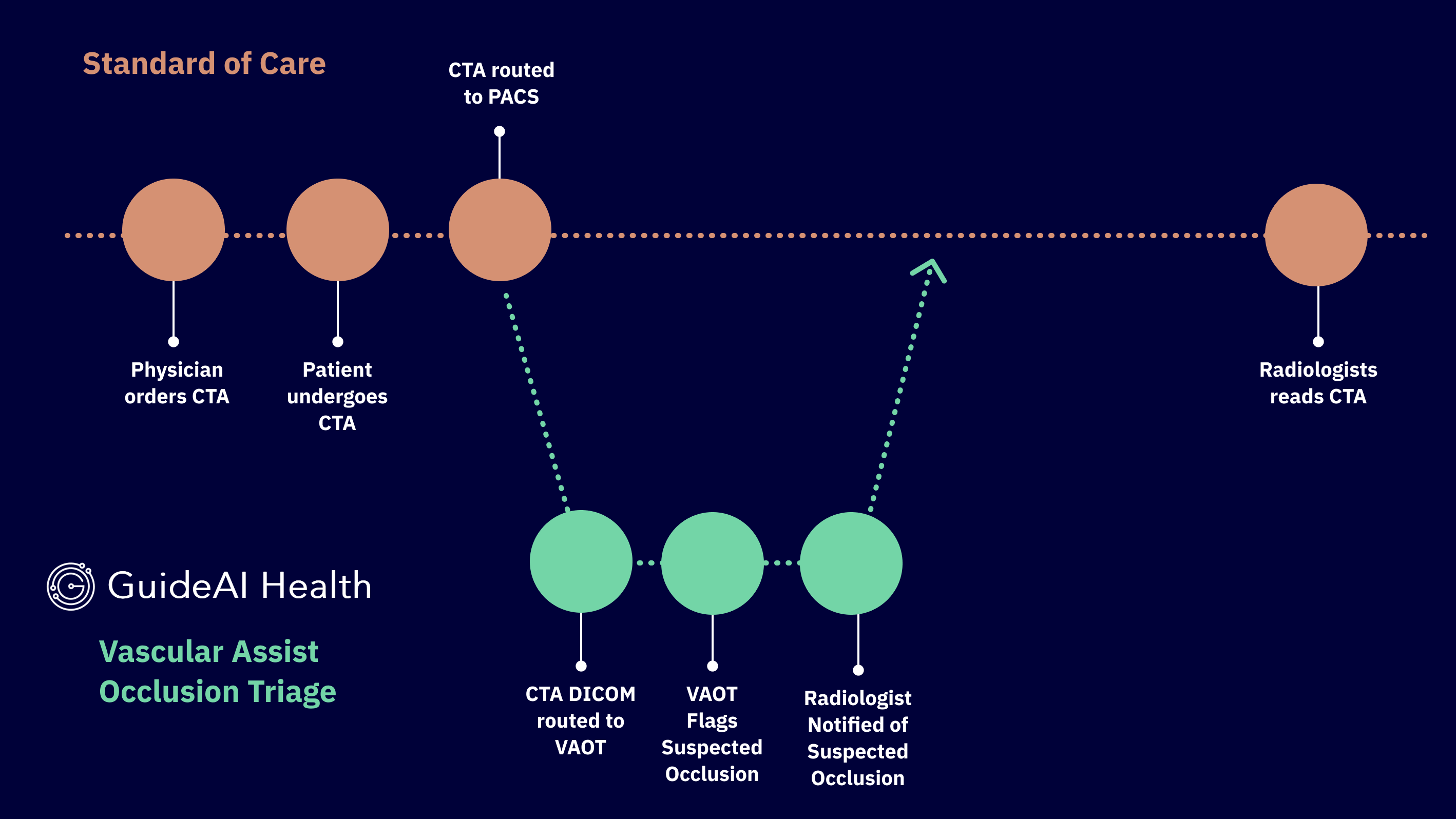
Using VAOT, a radiologist is able to review studies with features suggestive of arterial occlusion earlier than in the standard of care workflow.
CTA studies are captured by a CT imaging system and deposited on the PACS. The Gateway instance, a component of VAOT that runs acting as a PACS listener, receives a copy of the CTA DICOM study, checks the DICOM meta data to confirm it can be processed, de-identifies it, and securely transmits it to the VAOT cloud for processing.
Diagram showing the relationship between the standard of care and the
VAOT device.
GuideAI conducted a retrospective, blinded, multicenter study with the VAOT software to evaluate the software's performance in identifying peripheral arterial occlusions in 317 cases from US-based clinical sites. The study compared the software's performance to the ground truth, as determined by 3 expert US board certified Radiologists, using majority voting. The cases collected for the pivotal dataset were all distinct from the cases used to train the algorithm.
See the [public 510(k) Summary](https://www.accessdata.fda.gov/scripts/cdrh/cfdocs/cfpmn/pmn.cfm?ID=K260729) for additional details.
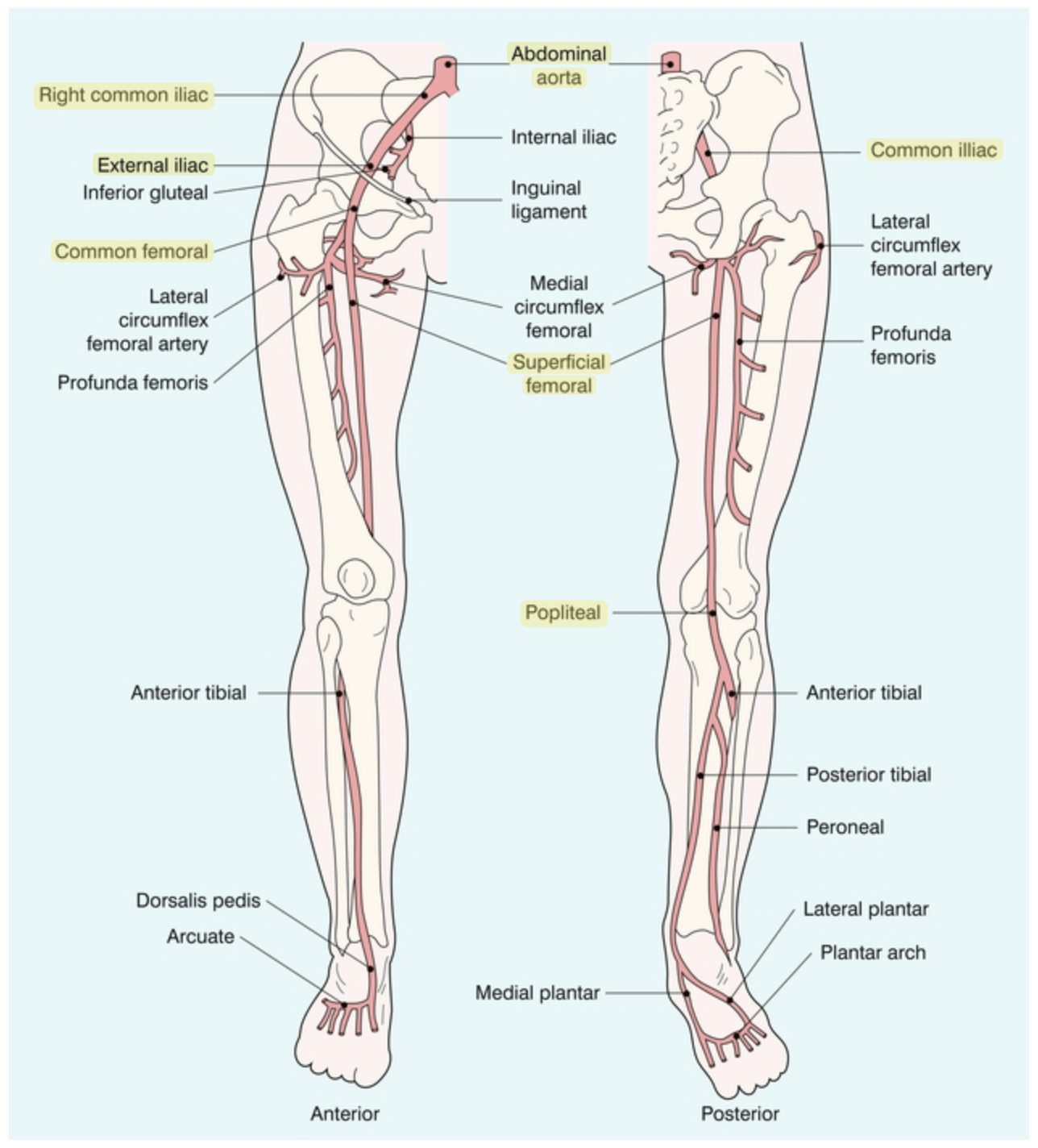
Diagram showing the lower limb arteries. VAOT is indicated to triage
occlusions within the six highlighted arteries.
## About GuideAI Health, Inc.
GuideAI Health Corp. is a healthcare technology company using artificial intelligence to support earlier detection, triage, and management of vascular disease by transforming routine CT imaging into actionable diagnostic insights. The company's broader platform is focused on helping hospitals and radiology groups identify peripheral vascular disease sooner, support more timely care, and improve the consistency and scalability of vascular imaging workflows.
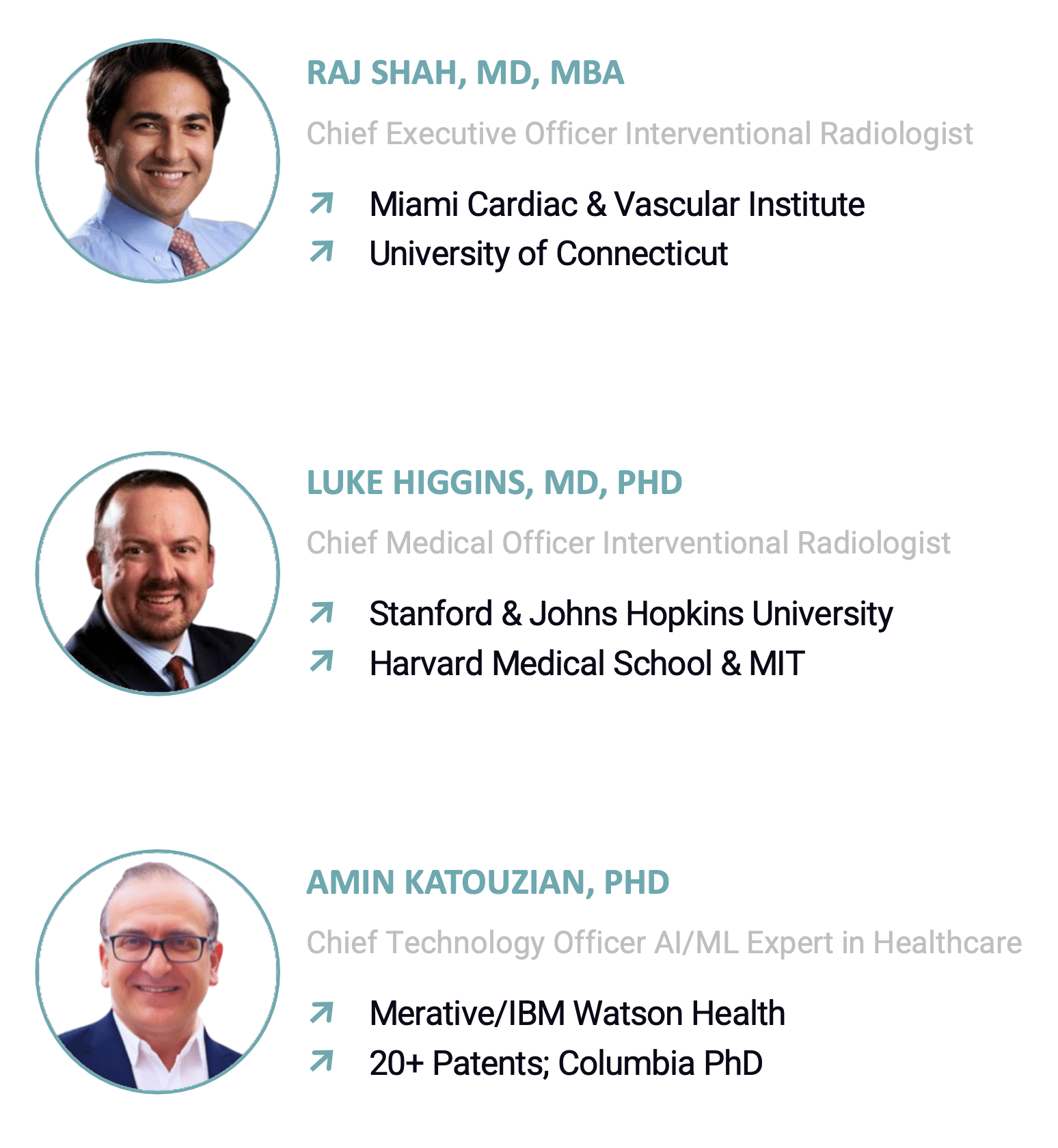
GuideAI is led by an experienced, multidisciplinary team.