



A regulatory strategy and an FDA Pre-Sub in four weeks.
Before you spend a million dollars on a clinical study, know the pathway, the predicate, the endpoints, and the sample size. Fixed fee. We write the strategy, file the Pre-Sub, and run the FDA meeting.
- to a filed Pre-Sub
- 4 wks to a filed Pre-Sub
- FDA submissions
- 60+ FDA submissions
- building SaMD
- 15 yrs building SaMD
We Delivered an AI Regulatory Strategy On Time and On Budget
FDA regulatory strategy and Pre-Submission for an AI platform converting 2D MRI to 3D joint models. Delivered on time and budget

We helped a University Spinout go from Prototype to Acquisition.
We secured breakthrough status and drove a 3-month FDA submission for an AI breast-risk SaMD.

From Lab Code to FDA Breakthrough Device
Regulatory strategy and engineering that took BEACONPredict from research prototype to FDA Breakthrough Device

Recent strategy and Pre-Sub engagements
Our Clients Include
FDA Clearances Include
-
AI
-
AI

GuideAI VAOT
-
AI

Salix Coronary Plaque
-

Lightning Viewer
-
AI
GyriCalc
-
AI

Galileo CDS GBrain MRI
-
AI

Neosoma Brain Mets
-
AI

BioticsAI
-

Zeto New Wave System
-
RadUnity
-
AI

Galileo CDS
-
AI

Prenuvo
-
AI

TOMI Scope
-

Rology Teleradiology
-
AI

DiA Imaging LVivo Software Application PLAX module
-
AI

Echo IQ
-
AI
Salix Central
-
AI
Automatic Anatomy Recognition Software
-
AI
Limbus Contour
-

MD.ai
-
Mobius3D
-
AI

Corticometrics
-
FlexView
-
AI
Specific Dx
-
AI

Envisionit Deep AI
-
AI
Cube Click
-
AI

AI Metrics
-
AI

CT Cardiomegaly
-
AI

SimBioSys
Is this for you?
You need an answer, not a research project.
Team racing a market window
Every month off the market costs you millions.
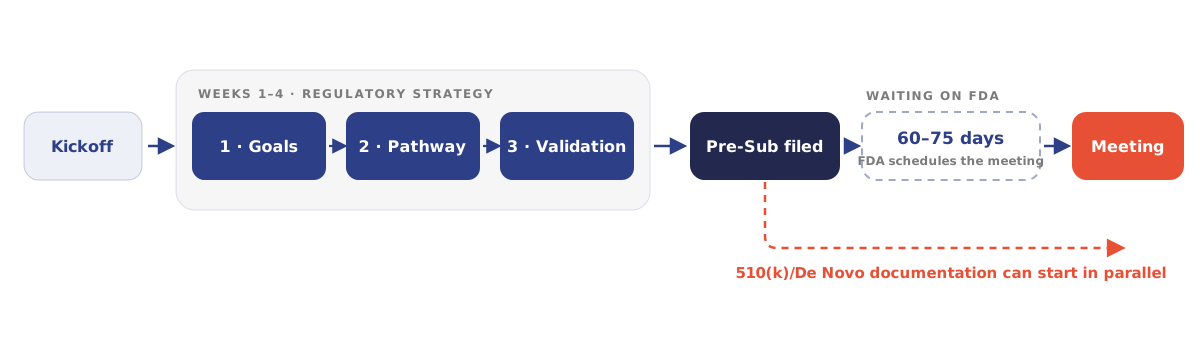
You do not need options, you need a team that executes. We commit to a date, file the Pre-Sub at the end of week four, and keep the submission moving while FDA schedules the meeting. Time lost in these programs is almost always rework, which is why the pathway gets settled first.
Founder raising on a regulatory milestone
Your investors are asking about pathway, study design, and burn.
You need a defensible number for the deck: which pathway, what the study costs, how long to clearance. A strategy document and a filed Pre-Sub answer that in writing.
Established manufacturer adding AI
You have 50 regulatory people and none of them have done AI/ML.
You do not need help filing. You need the AI/ML-specific pieces: validation strategy, acceptance criteria, PCCP, and how far a predicate will stretch. We scope to exactly that.
Proof, not promises
Strategies that survived contact with FDA.
Every engagement below started with the same four-week phase: pin down the pathway, design the evidence, and put a question in front of FDA before spending the money.
You just saw six strategies that worked.
Send us your device and we will tell you the pathway.
Device, indication, and what data you have. We will tell you whether it looks like a 510(k) or a De Novo, whether Breakthrough is worth pursuing, and what the four weeks would cover.
The core differentiation
The strategy is written by the people who will build the evidence.
Most regulatory strategy is written by people who have never had to produce the evidence it calls for. You get a well-formatted document that names a pathway and recommends a study, then discover a year later that the sample size was wrong, the acceptance criteria were unreachable, or the predicate does not stretch.
Ours are written by MDs, PhDs, regulatory leads, and the AI/ML engineers who have run the reader studies and built the models. When we propose an endpoint, someone in the room has defended it to FDA.
It is also why we will tell you not to buy things. We have talked clients out of Pre-Subs they did not need and Breakthrough applications they would not have won.
Unlike competitors, who sometimes take a blanket approach, Innolitics didn’t throw the baby out with the bathwater. They recognized the good work already done and built upon it.
What the four weeks actually produce
One regulatory strategy document. One Pre-Sub filed with FDA.
Not a slide deck of options. A single document that commits to a pathway and shows the work, plus the eSTAR package that puts your questions in front of FDA.
Product Code and Classification
The product code, the applicable regulation and special controls, and the guidances and standards that will govern the submission.
Pathway and Predicate Analysis
510(k), De Novo, or PMA, argued rather than asserted. For a 510(k), the candidate predicates and an honest read on how far each one stretches.
Indications for Use and Marketing Claims
The claims your commercial team needs, tightened until they are defensible. This is the single biggest lever on how hard the study gets.
Clinical Study Protocol
CADe, CADx, CADt, CADq, or CADp. Standalone performance, MRMC reader study, or both. Endpoints, reference standard, and whether your existing data can be reused.
Statistical Power and Sample Size
A power study that justifies the sample size, and a cost estimate for running it. It is the largest line item in the program, so the number matters.
Regulatory Risk Register
What could stop this device reaching market, how likely each risk is, and the prepared response if FDA raises it. This part usually stays internal.
Architectural Scoping
Where to draw the device boundary so that less of your software is regulated, under the Multiple Function Device guidance. Often the cheapest win in the whole engagement.
The Pre-Sub eSTAR Package
Device description, algorithm description and verification strategy, training and validation data demographics, testing plans, predicate comparison, and the questions themselves. We file it, prep you, run the meeting, and draft the minutes.
How the four weeks run
Business goals first, FDA last.
Every step before the Pre-Sub exists to make sure the questions we put to FDA are the ones worth asking. We file at the end of week four because the clock after it is not ours to control.
Which situation looks like yours?
Six strategy problems we are asked to solve.
Most engagements are one of these. If yours is not on the list, it is still worth a call.
Study cost
We need a clinical study we can actually afford
The study is usually the largest line item on the way to clearance, and the design drives the price. We tune the claims, the device category, the endpoints, and the sample size to the cheapest design FDA will accept, then put it in front of FDA before you commit.
No predicate
There is no clean predicate and De Novo scares us
Roughly half of De Novos are not granted, and they cost about twice a 510(k). We look for hybrid predicate arguments that make a 510(k) defensible, and if De Novo really is the path, we tell you before you budget for the wrong one.
Generative AI
Our model produces open-ended output
VLMs, draft reporting, and conversational CDS bring new challenges to verification. We are at the forefront of this exciting field, helping FDA find a path forward. We design the reader-comparison and non-inferiority structure, and we ask FDA what a locked algorithm means for a model that changes.
BDD
We need Breakthrough designation for the raise
FDA now expects real-world evidence and the program is under more scrutiny than it was. We assess the statutory criteria honestly, and when it is winnable we write the Q-Sub.
Device or not
We are not sure we are a regulated device at all
The Cures Act four-part test decides whether you need FDA at all. We scope your claims to stay outside the device definition, or to step inside deliberately when clearance is the commercial asset, and we map how much functionality you can add before crossing the line.
What first
We have several functions and do not know which to clear first
Multiple modules, multiple indications, and a finite runway. We work out which function is cheapest to clear, what can ride along in the same submission, what has to be sequenced behind it, and how to scope the viewer and platform layers out of the regulated boundary.
Four weeks. Fixed fee. A filed Pre-Sub.
A fixed fee and a date on the calendar.
Four weeks to a complete regulatory strategy and a filed Pre-Sub, then the FDA meeting. Breakthrough Device Designation, a PCCP, and reimbursement are available as add-ons.
What clients say
The lines clients repeat on reference calls.

Dr. Jagi Gill, MD
Founder and Managing Director
Before you book the call
The questions we actually get asked, in order.
Is my device a 510(k) or a De Novo? Is there a predicate?
That is what the engagement exists to answer, and we will not guess on a sales call. What we will tell you on the first call is which way it leans and why.
Two things worth knowing. Roughly half of De Novos are not granted, and FDA has signalled a preference against them, so a defensible 510(k) argument is worth real effort. And predicates stretch further than most people assume: FDA permits a hybrid argument across multiple predicates when one device combines separately cleared functions. That has turned a number of apparent De Novos into 510(k)s.
How long does all of this take?
Four weeks from kickoff to a filed Pre-Sub. Then about ten weeks, almost all of it waiting on FDA, to the meeting itself.
How quickly can you start?
It depends on our team’s availability, but we can typically start a new engagement within two to four weeks. To preserve your spot in our schedule, we require the first invoice to be paid up front.
Do we need a clinical study?
We use the term clinical study to mean a study on real clinical data. Most AI-enabled devices do need one, although for many of them a retrospective study is sufficient, which is dramatically faster and cheaper than a prospective trial.
CADe and CADx devices typically also need an MRMC reader study on top of standalone performance. Which category you land in follows from your claims, which is exactly why claims get tightened in week one.
Can we reuse the data we already have?
Often, yes. We look hard at what you have before assuming you need more.
The constraints that usually bite are US-representative demographics, site diversity, and whether your reference standard will survive scrutiny. Single-site data annotated by a single reader is the most common fatal problem we see.
We ask FDA about data reuse in the Pre-Sub so the answer is on the record before you spend.
What is in scope, and what is not?
In scope: everything in the strategy document and the Pre-Sub package. Product code, pathway and predicate analysis, indications and claims, the clinical validation design, the power study, the regulatory risk register, the eSTAR filing, FDA meeting preparation, running the meeting, and the minutes.
Not in scope: running the clinical study, FDA user fees, and data acquisition. We design the study and coordinate with CRO partners, clinician recruiters, and data brokers, but we are not a CRO. Study execution is usually the largest cost in the program, so we size it for you early.
Do we qualify for Breakthrough Device Designation, and is it still worth it?
Sometimes, and less often than people hope. FDA now expects some real-world evidence depending on the claims, the program is under scrutiny because of designations that never produced a cleared device, and the data suggests BDD can actually slow a clearance by inviting more review.
It remains valuable for one thing: fundraising. It costs nothing to apply, you do not need a finished device, and a granted designation is a strong investor signal. We are selective about which applications we take on, and if yours is not winnable we will say so rather than bill you for the attempt.
We do not sell BDD standalone. The application is built out of the strategy work, so the strategy comes first. Our Breakthrough Device and STeP Programs FAQ covers the criteria and what the designation does and does not buy you.
Do you do all the work, or do we?
We do. Expect about five hours a week from your side: one or two hour-long meetings plus roughly three hours of homework, concentrated in the first week when we lock the intended use. You provide access and decisions; we write the document and the submission.
One thing to plan for: we typically need a clinical subject matter expert in a few of those meetings to help design an optimal study. The reference standard, the reader task, and the acceptance criteria all get better when a clinician who treats these patients is in the room. If you do not have one, we can bring one in.
Are we even a regulated device? Can we stay outside FDA?
Sometimes that is an easy question to answer. Sometimes it is not.
The typical focus of a regulatory strategy engagement is developing the clinical evidence strategy and getting FDA’s buy-in on the clinical study protocol. For some products, though, the central regulatory question is whether it is a device in the first place.
We can assess that for your product, and help you define how much functionality you can add while staying on the non-regulated side of the line.
What is your track record?
Around 60 FDA submissions over nine years of regulatory work, on top of about fifteen years building SaMD. Two did not clear on the first attempt, and both cleared on resubmission. Roughly 70% of our work is medical imaging and nearly all of it involves AI/ML.
Will the strategy consider a PCCP?
Yes. We have submitted a number of Predetermined Change Control Plans, and we assess whether one is appropriate for your device as part of the strategy.
Our budget is smaller than that. Is there a smaller first step?
Unfortunately, no. We preserve the limited capacity of our expert team for companies that are funded well enough for us to deliver maximum value in bringing them to market.
What exactly is guaranteed?
Two things, in writing, for devices that qualify. The Pre-Sub is submitted within four weeks or you receive a partial refund. And if you then partner with us on the marketing application and FDA does not grant clearance, you receive a refund on this engagement.
The clock stops if we are blocked: if we cannot get time with your team, if a key decision such as the intended use stays open, or if an invoice goes unpaid for fourteen days. We will tell you when that happens rather than discover it at the end.
Do we actually need a Pre-Sub, or can we skip it?
Sometimes you can. A Pre-Sub is a tool for controlling regulatory risk, so the answer depends on what your risks are, how likely they are, and what they cost if they land.
Working with us removes some of that uncertainty before FDA ever sees it. We interact with FDA on AI-enabled devices often enough to answer directly much of what another consultant would have to ask. That is worth saying plainly, because consultants have an obvious incentive to recommend a Pre-Sub.
A Pre-Sub earns its place when the functionality is novel and the study behind it is expensive. If guessing wrong on the study design means running it twice, two to three months is cheap. If FDA’s answer cannot change what you would do anyway, skip it.
Our Pre-Sub FAQ works through this in more detail, including when a strong predicate is reason enough to skip it.
Do you cover reimbursement in the strategy assessment?
Not in the base engagement, but we offer a reimbursement add-on that runs alongside it. It is worth considering early, because your indications for use determine how you can bill. Write the claims for FDA without looking at the coding consequences and you can end up with a cleared device that has no clean billing path, or one quietly bundled into a facility fee you do not capture. That decision gets made in week one whether or not anyone is thinking about reimbursement.
What it is: two weeks, run in parallel with the regulatory work. Candidate CPT, HCPCS and DRG codes with current Medicare rates; a mapping of whether your output bills standalone, as a procedure add-on, or bundled into an existing fee; benchmarks from cleared AI/ML devices in your clinical domain with their codes and published rates; and a flag sheet marking where the draft intended use helps or hurts you commercially. Two joint calls with you, the coding consultant, and the regulatory team, then a written summary.
What it is not: a full reimbursement strategy. It ends with a scope for that work, which covers society engagement, code applications, payer outreach, and the NTAP and TPT pathways, and is a separate and much larger engagement. We do not do coding in-house. We bring in a reimbursement consultant and integrate their findings with the regulatory strategy, so you get one answer rather than two reports that disagree.
When is Innolitics the wrong firm?
When you need CE Mark or other non-US submissions as the primary goal. We are a US FDA firm and partner with European consultants rather than pretending otherwise.
When the device is hardware-first and the software is incidental. We do not take on implantables, catheters, surgical instruments, orthopedic hardware, or the electrical and mechanical engineering on capital equipment. We work on combination products where the software is the substance of the device, and we partner for the hardware side rather than pretending we cover it.
When you want a light review or hourly consulting. We add the most value when we are playing a major role in your strategy, so if you are after a second set of eyes, we are not the right fit.
30 minutes. No deck.
Book the fit call. Leave with a pathway.
We will tell you which pathway your device is on, whether a Pre-Sub is worth filing, and whether Innolitics is the wrong firm for it. If you do not need us yet, you will hear that.
What people read before booking
We publish our thinking.
The same reasoning that goes into a strategy document, written up in public.
How do we engage FDA early?
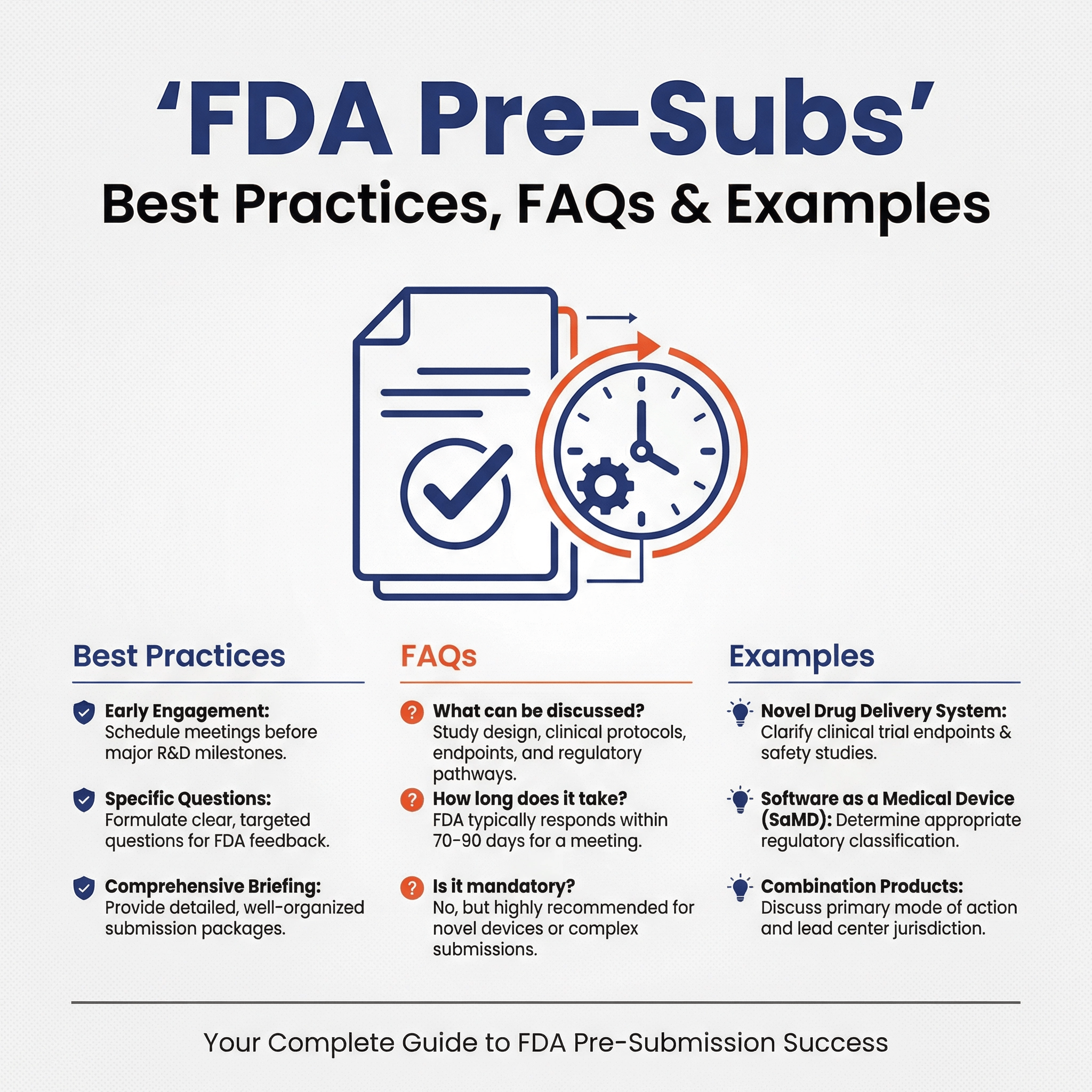
FDA Pre-Subs: Best Practices, FAQs, and Examples
A Pre-Sub is a mechanism for requesting formal written feedback from the FDA, and (optionally) a one-hour meeting. Pre-subs are a useful means to mitigate regulatory risk. This ...
 J. David Giese
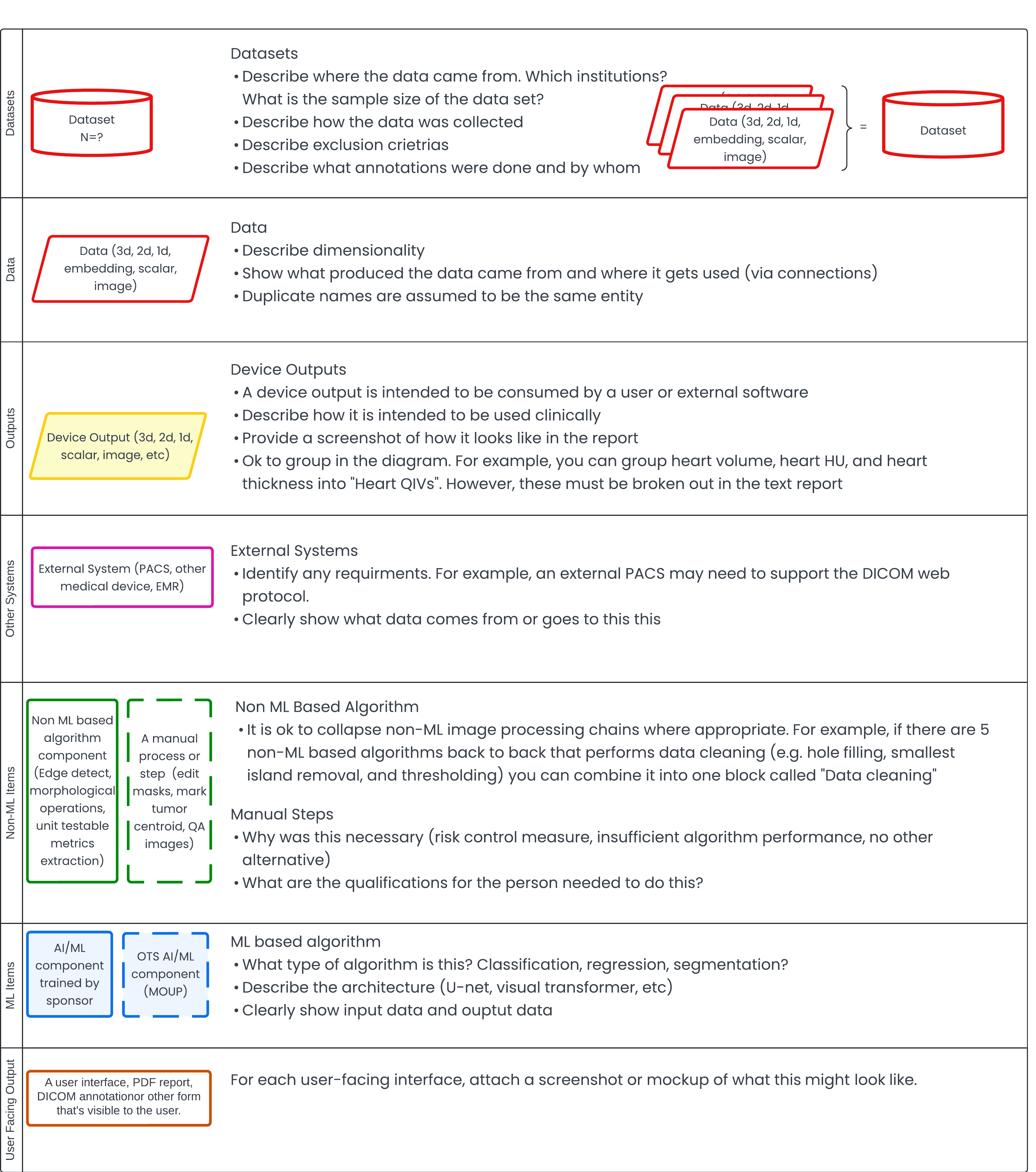
How do we document AI/ML in a Pre-Sub?
How to Document AI/ML Algorithms in FDA Presubmissions (Q-Sub)
The article outlines a method for documenting AI/ML algorithms for FDA pre-submissions. It emphasizes clear algorithm descriptions to avoid delays. Key steps include visual runt...
 Yujan Shrestha
Should we use 510(k) or De Novo?
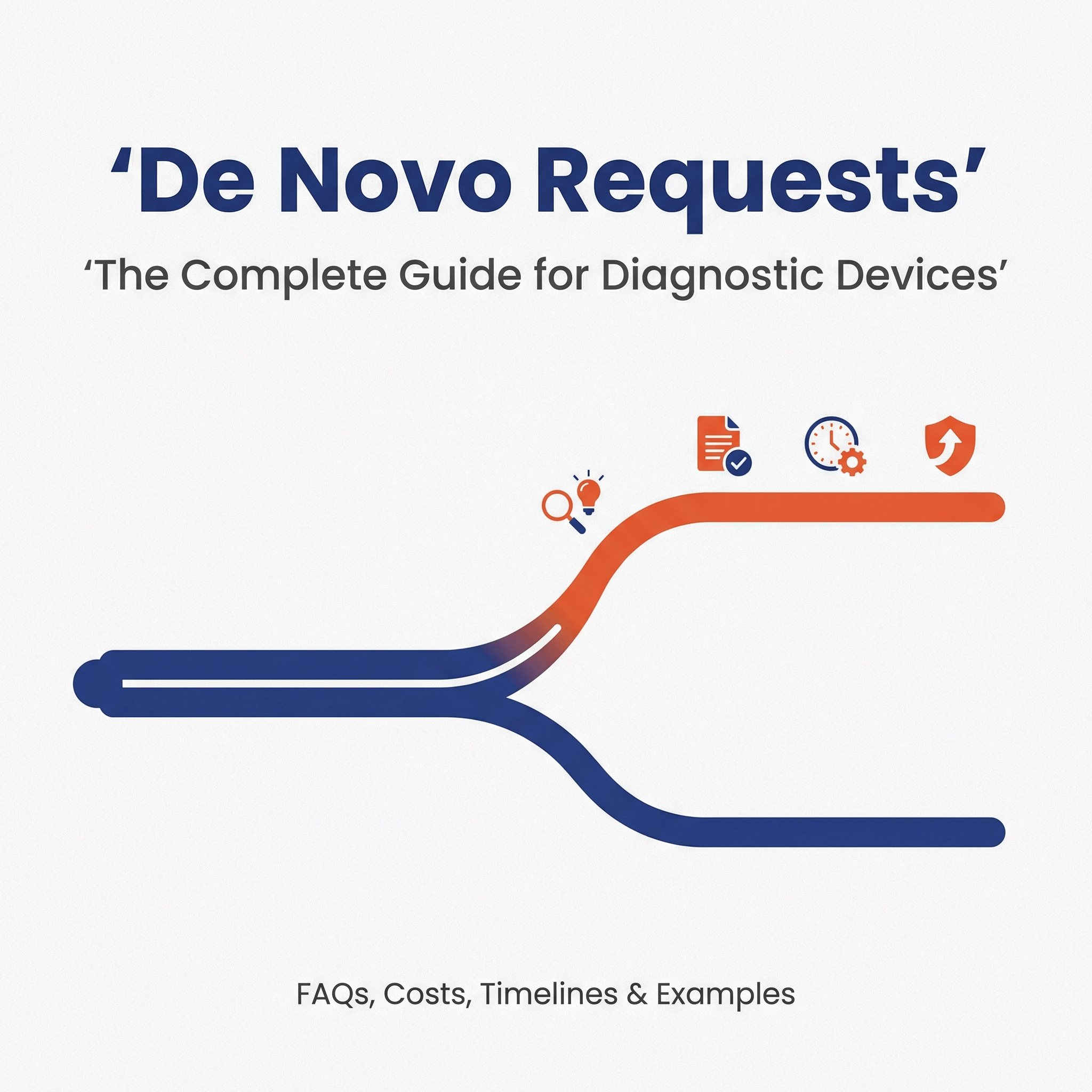
De Novo Requests for Diagnostic Devices: FAQs and Examples
A concise guide to the FDA’s De Novo pathway for novel, moderate-risk medical devices that lack a suitable predicate. It includes real-world examples and offers insider tips on ...
J. David Giese
Is Breakthrough designation worth it?
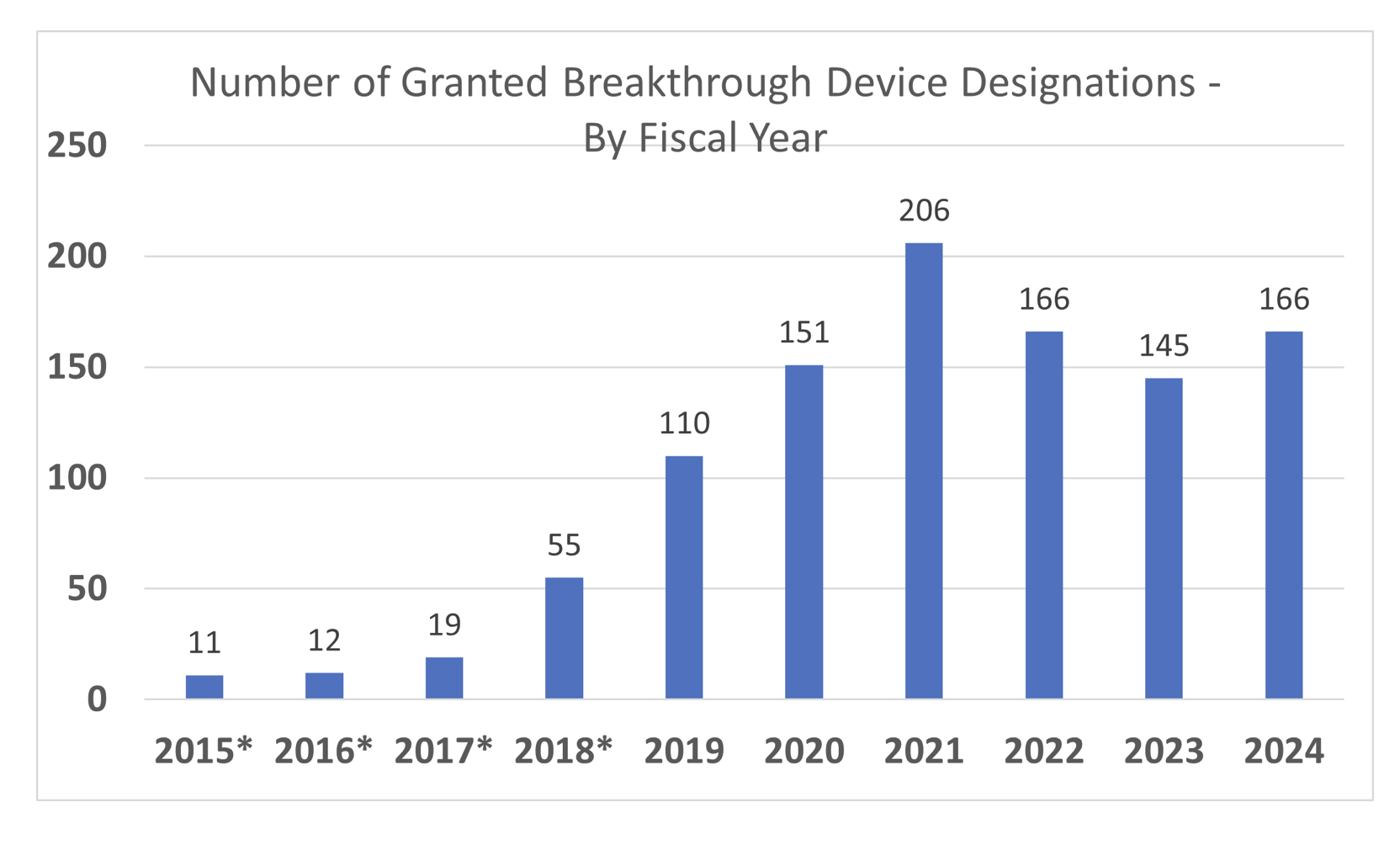
FDA’s Breakthrough Device and STeP Programs: FAQs
Wondering whether FDA’s Breakthrough Device Designation or STeP program is worth the effort? This pocket guide unpacks the program in plain English—what it is, who qualifies, an...
J. David Giese
How do we set AI/ML acceptance criteria?
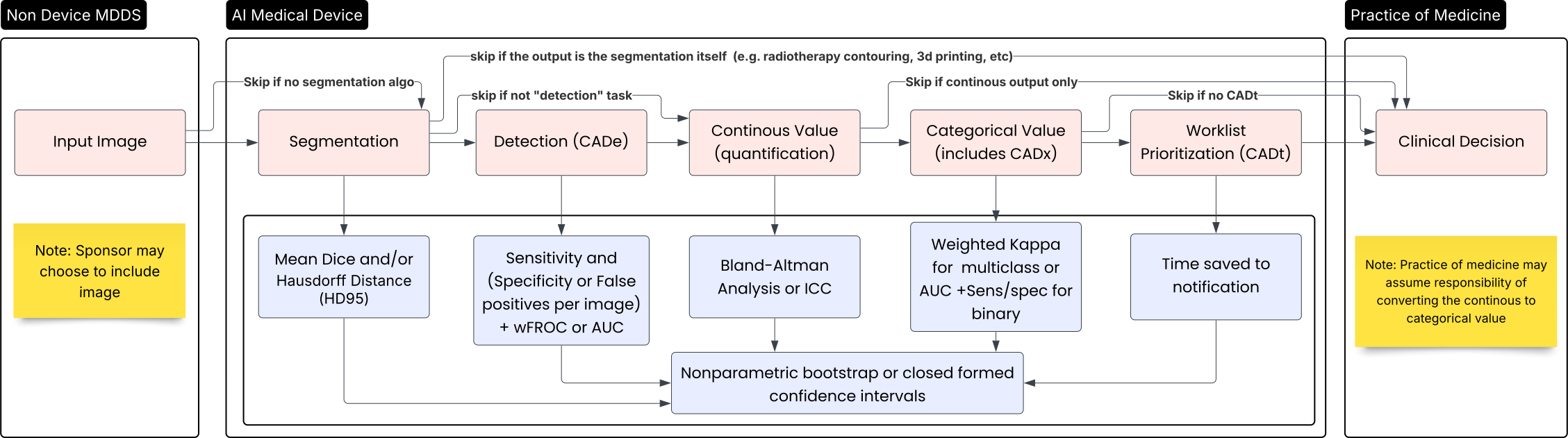
Definitive Guide to AI/ML SaMD Acceptance Criteria
Setting acceptance criteria incorrectly (too high or too low) can delay your FDA submission by weeks or trigger rejection. This guide analyzed 784 AI/ML medical device clearance...
Yujan Shrestha
How far can a 510(k) predicate stretch?
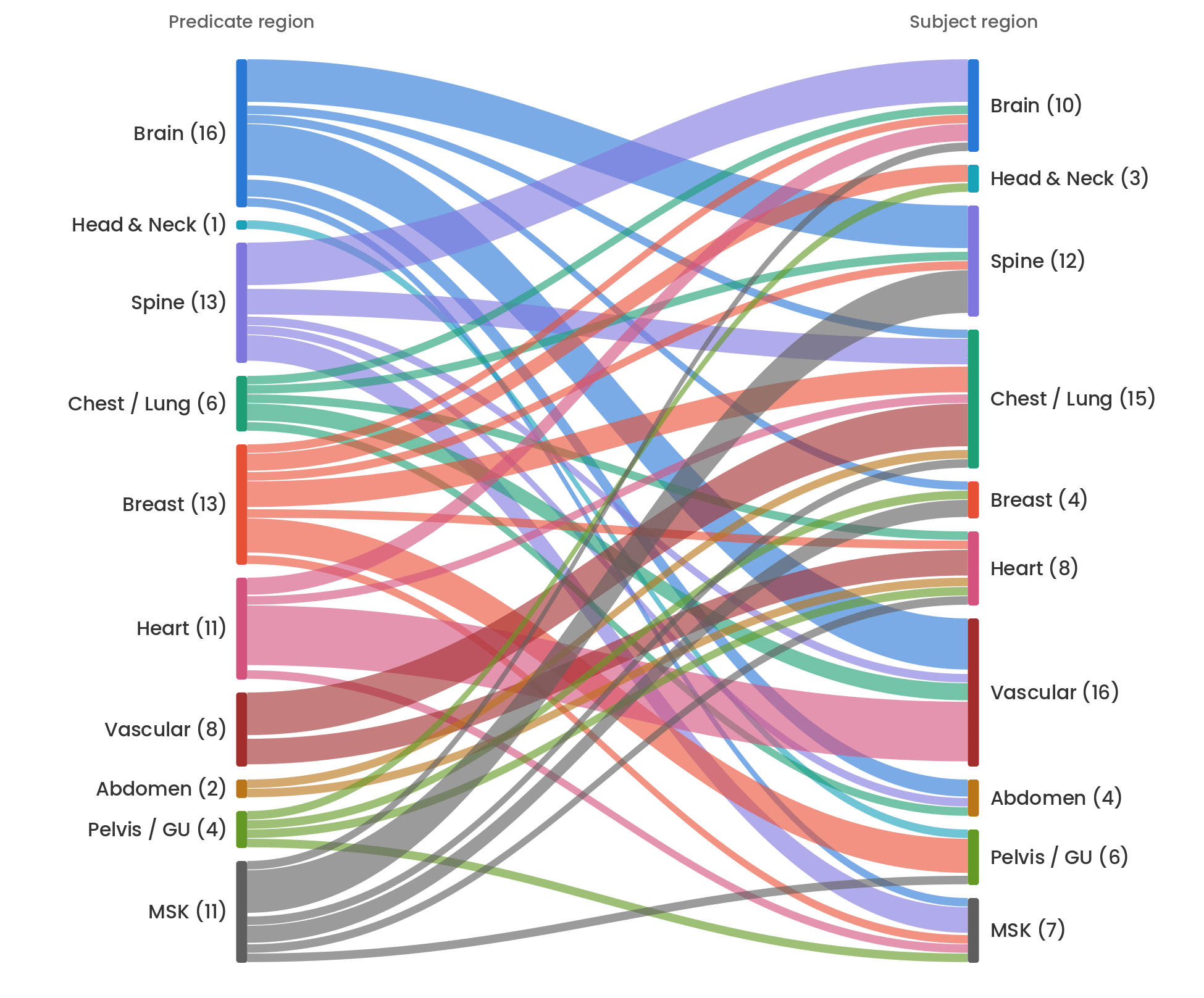
How Far Can a 510(k) Predicate Stretch?
The myth: your 510(k) predicate must match your body region, modality, and product code. We screened all 1,457 AI/ML-flagged FDA records across six axes of predicate distance an...
Yujan Shrestha
How do we keep updating the model after clearance?
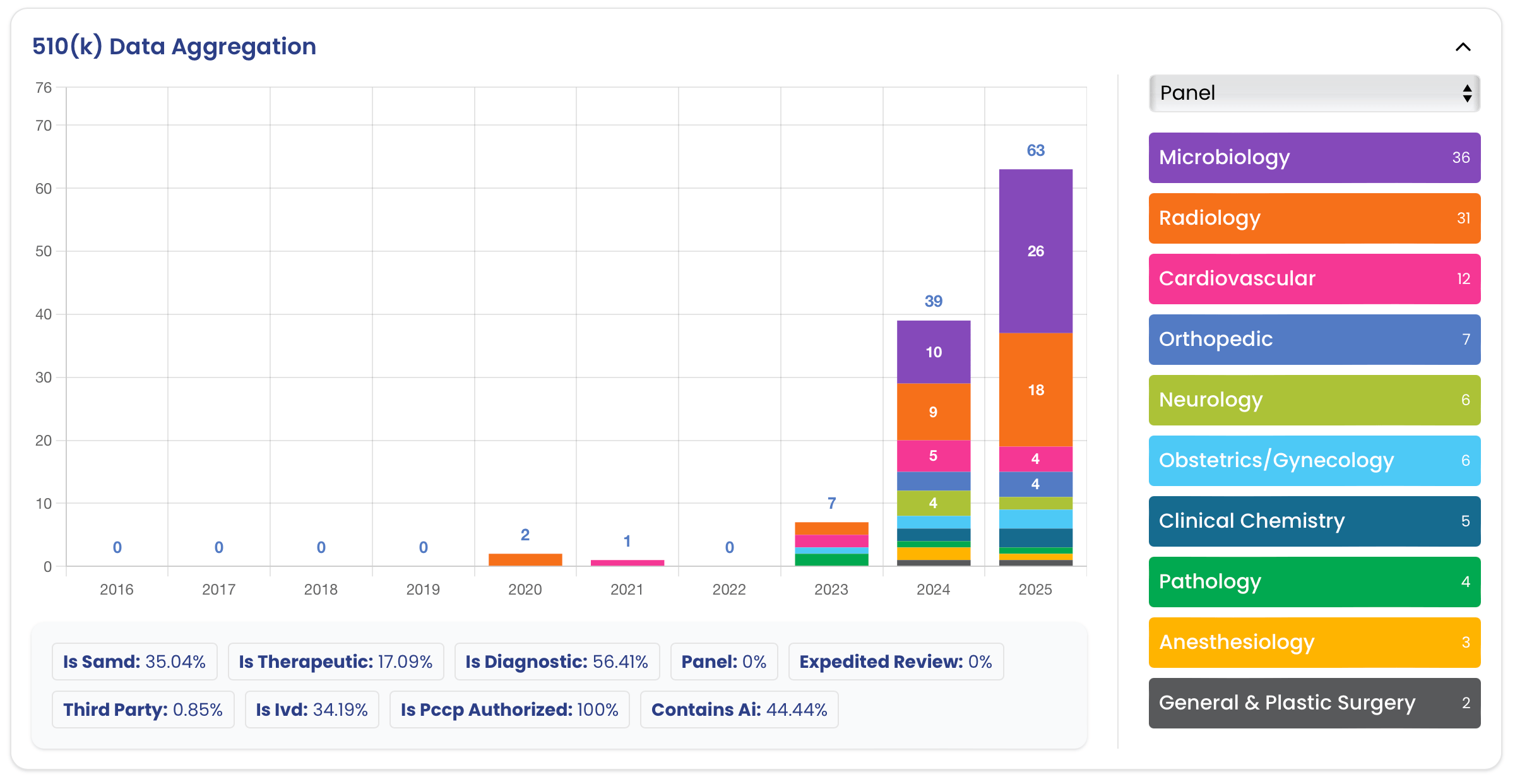
PCCPs: Best Practices, FAQs, and Examples
With predetermined change control plans (PCCPs), FDA has given manufacturers a great new regulatory tool. In this article, we discuss PCCP best practices and questions based on ...
J. David Giese
Need more than the strategy?
See our other services.
Concept to cleared device, AI/ML 510(k) submissions, FDA cybersecurity, and QMS implementation, each available on its own.
Let's Talk
Every great partnership starts with a conversation. Fill out the form below for a discovery call, and an Innolitics team member will contact you soon.
I learned more from an hour-long Innolitics sales call than an entire paid engagement from other consultants.

Richard Clark
Executive in Residence at Washington University