




Your AI-enabled device submitted to FDA in 3 months, guaranteed.
You have a working algorithm. What you do not have is the design file. We write it, we file it, and we stay on as your correspondent until FDA clears it.
- to submission, or a partial refund
- 3 months to submission, or a partial refund
- or a partial refund
- Cleared or a partial refund
- FDA submissions behind us
- 60+ FDA submissions behind us
We Got a Cardiac MRI Analysis AI SaMD Cleared in 5.5 Months, PCCP Included
First submission, first clearance: multi-model cardiac MRI AI cleared in 5.5 months with an FDA-authorized PCCP.
We Submitted a 510(k) in 7 Weeks and Cleared it in 4 Months
Completed DHF and 510(k) documentation in 7 weeks. FDA cleared 4 months after submission."

CADt from Concept to FDA Clearance in 9 Months
Fast 510(k) cleared vascular AI CADt in 9 months after stalled strategy, with only two FDA deficiencies.

Recent 510(k) submissions
Our Clients Include
FDA Clearances Include
-
AI
-
AI
GuideAI VAOT
-
AI

Salix Coronary Plaque
-
Lightning Viewer
-
AI
GyriCalc
-
AI

Galileo CDS GBrain MRI
-
AI

Neosoma Brain Mets
-
AI

BioticsAI
-

Zeto New Wave System
-
RadUnity
-
AI

Galileo CDS
-
AI

Prenuvo
-
AI

TOMI Scope
-

Rology Teleradiology
-
AI

DiA Imaging LVivo Software Application PLAX module
-
AI

Echo IQ
-
AI
Salix Central
-
AI

Automatic Anatomy Recognition Software
-
AI
Limbus Contour
-

MD.ai
-
Mobius3D
-
AI

Corticometrics
-
FlexView
-
AI
Specific Dx
-
AI

Envisionit Deep AI
-
AI
Cube Click
-
AI

AI Metrics
-
AI

CT Cardiomegaly
-
AI

SimBioSys
Is this for you?
The software works. The documentation does not exist.
Team racing a market window
Every month off the market costs you millions.
You can hire a regulatory consultant, a cybersecurity firm, a biostatistician, and a pen test vendor, then spend your own weeks holding the seams together. We do all of it, and one team owns the date. Nothing waits on a handoff between vendors who have never met.
First medical device
The engineers who built it have never built a medical device.
They write good software and have never seen design controls, a risk analysis, or the V&V evidence FDA expects. We supply that half while they keep building, and we meet weekly so the code and the documents match.
A date you cannot move
A raise, a partner, or a launch depends on the submission date.
This is why the timeline guarantee exists. We put the submission date in writing and refund if we miss it, so your board gets a date rather than an estimate.
Proof, not promises
Devices we wrote and filed.
Software and AI-enabled devices where we owned the documentation and served as regulatory correspondent.
Tell us what your device is intended to do and we will tell you the date.
The intended use, the claims you want, and where your data stands. We will tell you whether three months is realistic and what would stop it.
The core differentiation
Most of the delay is detours, not FDA.
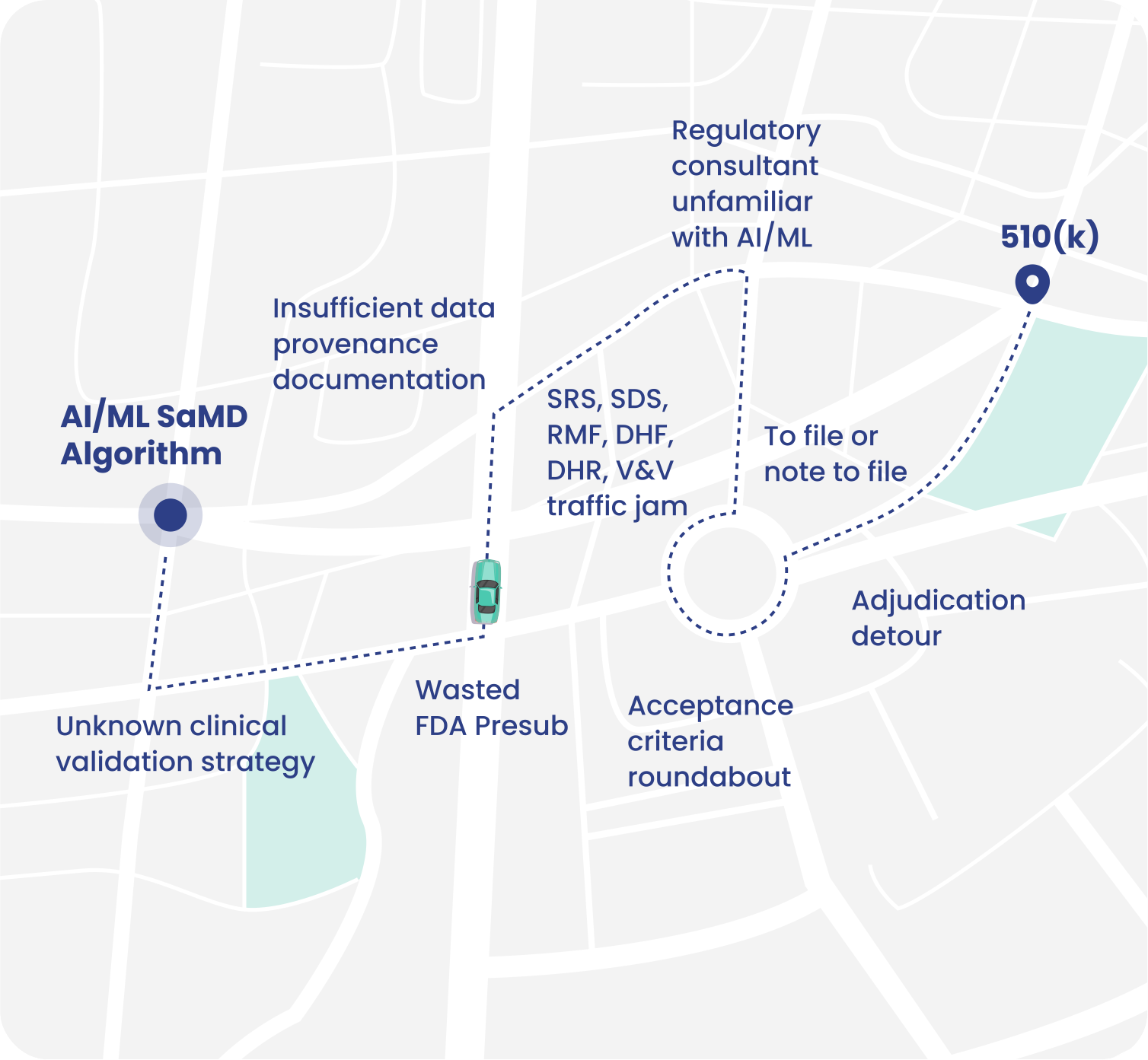
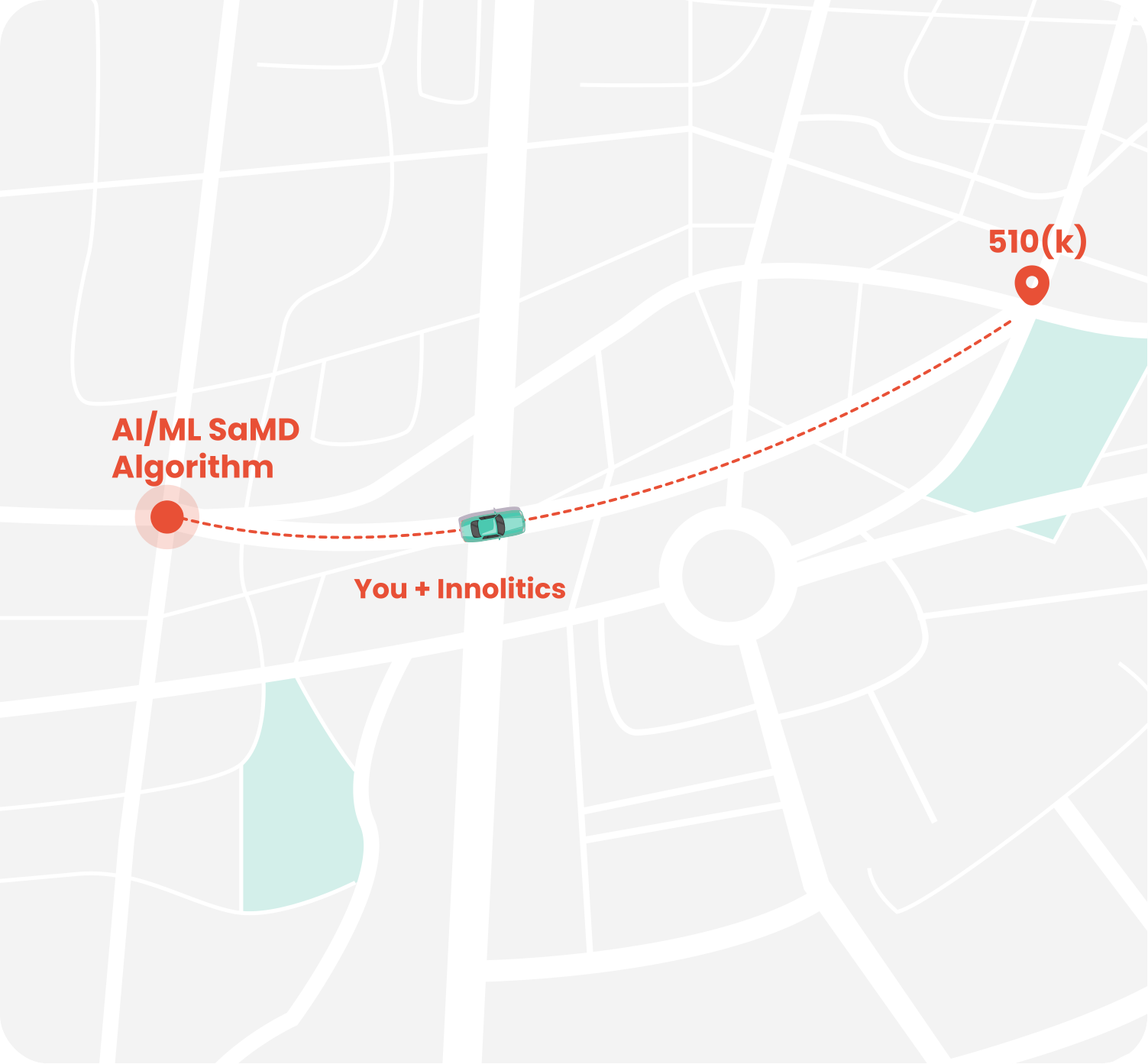
The 510(k) review clock is 90 days. Almost nobody reaches market in 90 days, and the reason is rarely FDA. It is the months lost to a predicate that did not stretch, a validation strategy nobody checked, data provenance nobody can reconstruct, and a consultant learning AI/ML on your schedule.
We have supported more than 60 FDA submissions, nearly all of them AI/ML. We know what a reviewer will stop on, and we would rather settle it in week one than in an Additional Information letter nine months later.
7 weeks to submission and 6 months to FDA clearance. Innolitics delivered exactly what we needed. They took ownership of the entire DHF and 510(k) package, documentation, cybersecurity, risk management, the works.
What you get
A complete design file and a filed 510(k).
Not a pile of templates. The documents FDA reads, written by us, traced to each other, and filed under our name as your regulatory correspondent.
Regulatory Plan and Submission Timeline
Week one locks the product code, the predicate, the claims, and the date. Everything downstream is scheduled against it, which is what makes the guarantee possible.
Clinical Performance Assessment Plan
Endpoints, sample size, reader design where needed, and the acceptance criteria. Delivered in week one so your validation can start while we write.
Risk Management File
Safety risk analysis to ISO 14971 and a security risk assessment, run as workshops rather than a form we email you, and traced to controls.
Requirements and Architecture
System and software requirements, architecture decomposition with sequence diagrams, and the design specification. The device boundary is set here, and it sets the size of everything else.
Verification and Validation
Verification and validation protocols with full traceability, a build checklist for the verification candidate, and review and approval of your results.
Cybersecurity Package
The full set FDA now expects, including the threat model, the SBOM, and the penetration test. In the fee, not bolted on later.
Substantial Equivalence and 510(k) Summary
The predicate comparison, the substantial equivalence argument, the labeling and its justification, and the summary itself. This is what a reviewer reads first.
The Submission, and Everything After It
We file it, serve as your regulatory correspondent, and handle the Additional Information response if one comes. Getting cleared is the deliverable, not getting submitted.
Our FDA clearances
Every clearance we can name.
Each one is a public FDA record. The rest are under NDA.
-
AI
Heartvue.Proton
-
AI
GuideAI VAOT
-
AI
Salix Coronary Plaque
-
Lightning Viewer
-
AI
GyriCalc
-
AI
Galileo CDS GBrain MRI
-
AI
Neosoma Brain Mets
-
AI
BioticsAI
-
Zeto New Wave System
-
RadUnity
-
AI
Galileo CDS
-
AI
Prenuvo
-
AI
TOMI Scope
-
Rology Teleradiology
-
AI
DiA Imaging LVivo Software Application PLAX module
-
AI
Echo IQ
-
AI
Salix Central
-
AI
Automatic Anatomy Recognition Software
-
AI
Limbus Contour
-
MD.ai
-
Mobius3D
-
AI
Corticometrics
-
FlexView
-
AI
Specific Dx
-
AI
Envisionit Deep AI
-
AI
Cube Click
-
AI
AI Metrics
-
AI
CT Cardiomegaly
-
AI
SimBioSys
How the three months run
Two tracks, in parallel, from week one.
The engineering and clinical tracks run alongside each other rather than in sequence. That is most of where the time saving comes from.
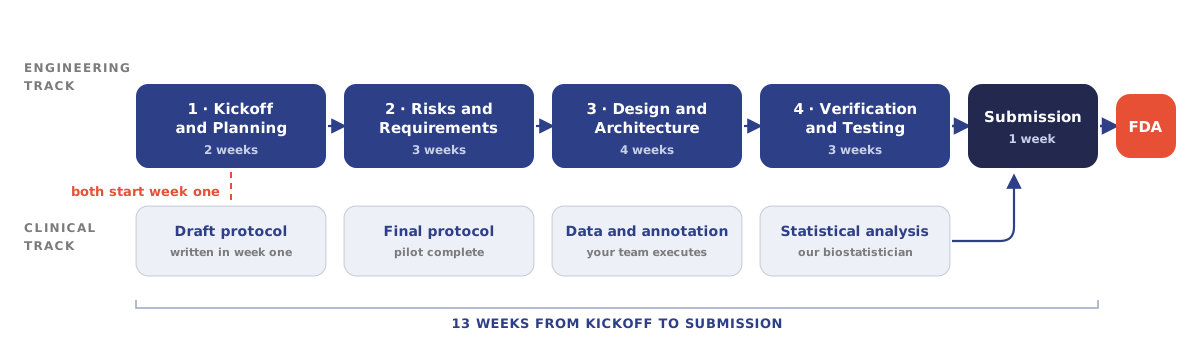
Your engineers containerize the algorithm and run the tests. We write everything else.
Which situation looks like yours?
Six problems we are asked to solve.
Most engagements are one of these. If yours is not on the list, it is still worth a call.
No paperwork
The algorithm is done and nothing is documented
The most common starting point by far. We do about 95% of the writing, your engineers containerize the device and run the tests, and we meet weekly to keep the code and the documents matching.
One or many
Should this be one submission or several?
Clearing a viewer first, with the algorithms as plugins, banks an early clearance and stops a data delay from blocking everything. Bundling adds about four weeks of review but sells as one product. Splitting rarely changes the total time, only what gets blocked.
Second device
We cleared one and want the next one faster
On a recent platform, 62 documents across submissions yielded 18 that carried over, about 30%, and even those needed rework. We will tell you the real number for your case, and we price the second one lower.
Scope it down
Too much of our system is inside the device
Clear the containers, not the cloud. Deployment infrastructure varies by hospital and belongs in your quality system at install, not in a premarket submission. Decided early it costs nothing, and it keeps you free to change architecture later.
Thin data
We are not sure our data will hold up
Train and test on separate sites, geographic separation preferred, and FDA has grown stricter. If your numbers do not support a submission yet, we will tell you to wait rather than sell you a start date.
No predicate
The predicate landscape looks thin
It changes fast. A competitor taking a De Novo creates a predicate you can file against, turning your De Novo into a 510(k). We check what cleared recently before assuming the harder path.
Build vs. buy for an AI SaMD submission
Every alternative leaves the same gaps.
Coverage of the full submission scope across the realistic alternatives. Whatever path you assemble, someone still has to fill the empty circles.
Scroll the table sideways to compare.
| What the work covers | Build fully in-house | Large regulatory consultancy | FDA law firm | Assembled specialists | Cottage consultancy | Innolitics |
|---|---|---|---|---|---|---|
| The work itself | ||||||
| Regulatory strategy and FDA correspondence | Partial, you fill the rest. 6 to 9 month leadership search. | Included in the fee. | Included in the fee. | Partial, you fill the rest. no single owner. | Included in the fee. | Included in the fee. |
| Authors the entire submission, end to end | Partial, you fill the rest. higher first-time deficiency rates. | Partial, you fill the rest. drafts from content you supply. | Not available from this option. advises, drafting stays with you. | Partial, you fill the rest. documents only, no strategy. | Partial, you fill the rest. advises, you author. | Included in the fee. |
| Test protocol design and statistical analysis | Partial, you fill the rest. separate statistician hire. | Not available from this option. separate service line, extra fees. | Not available from this option. not offered. | Partial, you fill the rest. stats yes, test design rarely. | Not available from this option. subcontracted if at all. | Included in the fee. |
| Cybersecurity docs, threat model and SBOM | Not available from this option. requires another specialist hire. | Not available from this option. not offered. | Not available from this option. not offered. | Not available from this option. another vendor to source. | Not available from this option. not offered. | Included in the fee. |
| QMS documentation you keep and reuse | Partial, you fill the rest. 12 to 24 months to build from zero. | Partial, you fill the rest. templates, not a working system. | Not available from this option. not offered. | Partial, you fill the rest. assembled, not integrated. | Partial, you fill the rest. recycled from their last client. | Included in the fee. |
| Forward-deployed SaMD engineers | Included in the fee. | Not available from this option. works at arm's length from the product. | Not available from this option. not offered. | Not available from this option. not offered. | Not available from this option. rarely staffed with engineers. | Included in the fee. |
| Bus factor: survives any one person leaving | Partial, you fill the rest. one senior hire holds the strategy. | Included in the fee. | Included in the fee. | Not available from this option. key-person risk at each vendor. | Partial, you fill the rest. capacity of a handful of people. | Included in the fee. |
| The irreplaceables | ||||||
| Speed: submission-ready package in 3 months | Not available from this option. 18 to 30 months realistic. | Not available from this option. 6 to 18 months typical prep. | Not available from this option. advisory pace, not authoring pace. | Not available from this option. you carry the integration schedule. | Not available from this option. small team, limited queue. | Included in the fee. |
| Risk transfer: Timeline and Clearance Guarantees | Not available from this option. schedule risk stays with you. | Not available from this option. hourly, risk stays with you. | Not available from this option. hourly, risk stays with you. | Not available from this option. no single party accountable. | Not available from this option. hourly, risk stays with you. | Included in the fee. |
| Scales down on demand | Not available from this option. 5 or more FTEs stay on payroll. | Included in the fee. | Included in the fee. | Partial, you fill the rest. scaling back up means re-coordinating. | Partial, you fill the rest. scales down, limited capacity to scale back. | Included in the fee. |
| Time to submission-ready package | 18 to 30months | 6 to 18months | n/aadvisory role | 9 to 18months | 12 to 24months | 3months |
Fixed fee. Two guarantees. One team.
A submission date you can put in a board deck.
Four phases, with the engineering and clinical tracks in parallel. We write the documentation, your engineers build the device, and both guarantees are in the contract.
What clients say
The lines clients repeat on reference calls.
Dr. Raj Shah, MD, MBA
Co-Founder of GuidewireRX

Before you book the call
The questions we actually get asked, in order.
What does it cost, and why is it that much?
A fixed fee, quoted on the fit call once we know the device. We do not publish a number because classification, product code, pathway, and whether you need a reader study move it a long way.
What drives it: a full design file, a cybersecurity package including the penetration test, the clinical protocol and statistics, and the submission itself, written by regulatory consultants and engineers together. Teams that clear cheaply usually pay for it in months instead.
We are busy and routinely turn down projects, so we do not discount for volume or promises of future work.
Do you do De Novos?
Yes. Expect roughly double the price of a 510(k).
The documentation is similar. The difference is far more back and forth with FDA, and more risk: with no predicate to argue from, FDA has to agree the device warrants a new classification, then negotiate the special controls that come with it. The review clock is 150 days, not 90.
Check whether you still need one. The predicate landscape moves fast, and a competitor taking a De Novo creates a predicate you can file against, turning your De Novo into a 510(k). We look at what cleared recently before assuming the harder path.
What exactly do the two guarantees cover?
Timeline. Your device is submitted within three months of kickoff or you get a partial refund. The clock starts once you have provided the inputs and named your people. It pauses for unpaid invoices, the Thanksgiving and Christmas holidays, anything outside anyone’s control such as a government shutdown, and any time we are blocked by your team.
Clearance. If FDA issues a not substantially equivalent decision, you get a partial refund. The one exception is what you would expect: it does not apply if the NSE came from the device missing the acceptance criteria we agreed in writing during the strategy phase. We guarantee our work, not your model.
Both are in the contract, with the refund amounts stated.
Is it really always three months? How is that possible?
No. We have done it in three months many times, and that is what the guarantee is written against. Some engagements run four months, and rarely longer.
It works because the engineering and clinical tracks run in parallel from week one, the strategy is locked before the clock starts, and we write about 95% of the documentation rather than coaching your team through it.
What pushes it longer is usually unfinished software, slow data, reviews sitting unread, or FDA feedback changing the study. The clock pauses while we are blocked by your team, which is how the guarantee survives those cases.
After submission, FDA’s review clock is 90 days, and most 510(k)s take four to six months once you count answering FDA’s questions.
Do we need a regulatory strategy engagement first?
If your device does not have a clear predicate and a clear clinical evidence strategy, chances are we will want to do a regulatory strategy engagement first.
The three-month clock assumes the pathway is settled: the product code, the predicate, the claims, and the acceptance criteria you will be judged against. Week one locks those down and schedules everything against them, which only works if the answers are already defensible.
Strategy is a smaller, separate piece of work, with an FDA Pre-Sub where FDA’s view is uncertain, and the three months starts when it ends. Better to spend a few weeks settling the pathway than find out in month five that the predicate does not stretch.
Should our device be split up into multiple submissions?
Worth real thought. It is one of the few decisions that changes both your risk and your commercial options.
Splitting a platform from its algorithms banks an early clearance on the low-risk piece, and a data delay then blocks one submission instead of all of them. A well-specified API between them keeps future algorithms from forcing a re-clearance of the host.
Bundling adds about four weeks of review but sells as one product. A third option is to clear the algorithm alone, output a report the hospital’s existing viewer can display, and skip the viewer entirely.
Splitting rarely changes the total calendar. It changes what gets blocked when something slips.
Do we have enough clinical data?
The question we most often answer with bad news.
Train and test on separate sites. Geographic separation is strongest; temporal separation is a weaker fallback. FDA generally wants test data from at least three sites and has grown stricter about this.
Non-US data is not automatically disqualifying, but in most cases FDA will want at least half the data to come from the US.
If the data does not support a submission yet, we will tell you to wait. We have talked clients out of starting for this reason.
What happens after clearance when we want to change the model?
This is what a PCCP is for: it lets you ship defined changes without a new clearance, as long as the original submission specifies the scope of those changes and how you will validate them.
It works well for retraining within a defined envelope, and poorly for expanding the indications for use, which FDA treats as a new submission regardless.
Whether you need one is decided in the strategy phase, because it has to go into the submission, not get added later.
How much of our engineering team's time does this take?
We write about 95% of the documentation. What stays with you is real but bounded: containerizing the algorithm, running the verification and validation tests, and joining weekly sessions so the code and the documents match.
Week one is the most demanding, because that is when we lock the intended use, the claims, and the architecture.
What if we are halfway through a submission already?
We can work alongside you on a retainer, supporting your team rather than taking over.
What we cannot do is offer the timeline or clearance guarantee. Those depend on us owning the work from the start, and on decisions we would not have made. Better to say so than attach a guarantee we cannot stand behind.
What does 'done' actually look like?
A fair challenge, and one put to us directly: a list of forty documents does not tell you what is being built or when.
The deliverable is the design file and the filed submission, and the outcome is clearance. The document inventory is how we track it, not what you are buying. Each phase has a named end state tied to a milestone, and the date is fixed from week one.
Will the price move once we have started?
In most cases it does not. The fee is fixed for the scope in the contract, and nothing changes without a written change to the SOW you agree to first. No surprise line items.
The exception is being blocked. If we are blocked more than four weeks because your team cannot address an issue, we may start a retainer to keep the team available so the project can resume quickly. There is an added fee for that period, and the team will help you get unblocked.
Will we need usability testing?
We can scope it, and plan the usability testing for your submission.
The use-related risk analysis and the task analysis come first. They identify the critical tasks and decide whether a summative evaluation is needed at all. If one is, it has a hard floor of 15 participants that cannot be negotiated down.
Do we need a QMS, and when?
You need a full QMS before you can commercially distribute, not before you can submit.
You are not starting from zero. The design and development portions are set up as part of this engagement. Our separate QMS service stands up the rest in about two months, and it is a one-time build: later devices add their design file to the system you already have.
One warning: fully automated, AI-driven quality systems have produced FDA warning letters. Keep a human in the loop.
What about FDA's own fees?
Separate from our fee, paid to FDA just before submission. They rise most years in October.
Small Business Designation cuts them by about 75% if your gross receipts including affiliates are under $100M. It is simple to apply for and takes about two months, so start early. We have seen submissions held up waiting on it.
Also outside our fee: buying data, clinical annotators, and running the study.
Can you work alongside our existing regulatory consultants?
Yes, although it changes the nature of the engagement.
We can draft just the software and cybersecurity documentation while your consultants handle the overall submission, or work alongside your team on a retainer. Either way we cannot offer the timeline or clearance guarantees, because those depend on us owning the critical path.
We do not offer hourly consulting.
When is Innolitics the wrong firm?
When the device is hardware-first and the software is incidental. We do not take on implantables, catheters, surgical instruments, orthopedic hardware, or the electrical and mechanical work on capital equipment.
When CE Mark or other non-US submissions are the main goal. We are a US FDA firm and partner for Europe rather than pretend otherwise.
When you want a light review or hourly consulting. We add the most value in a major role, so for a second set of eyes we are not the right fit.
30 minutes. No deck.
Book the fit call. Leave with a date.
We will tell you whether your data supports a submission, whether this should be one filing or several, and whether you are ready to start. If you are not, you will hear that.
What people read before booking
We publish our thinking.
The same reasoning that goes into a submission, written up in public.
What does a first 510(k) really cost?
What Your First 510(k) Actually Costs You
Most first-time teams burn over a year overbuilding documentation FDA never asks for. Here is a section-by-section breakdown of a cleared AI/ML SaMD 510(k) (Body Check CT Cardio...
 Yujan Shrestha
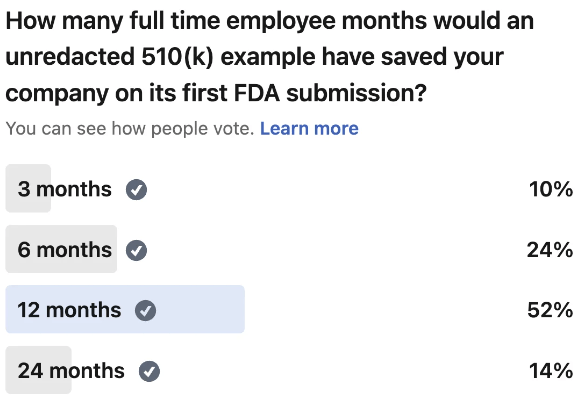
Do we rewrite the prototype?
To Rewrite or Not: From Prototype to FDA-Compliant Software
This article discusses engineering and regulatory factors to consider when deciding to rewrite or reuse existing prototype code. It should be useful to researchers or companies ...
 J. David Giese
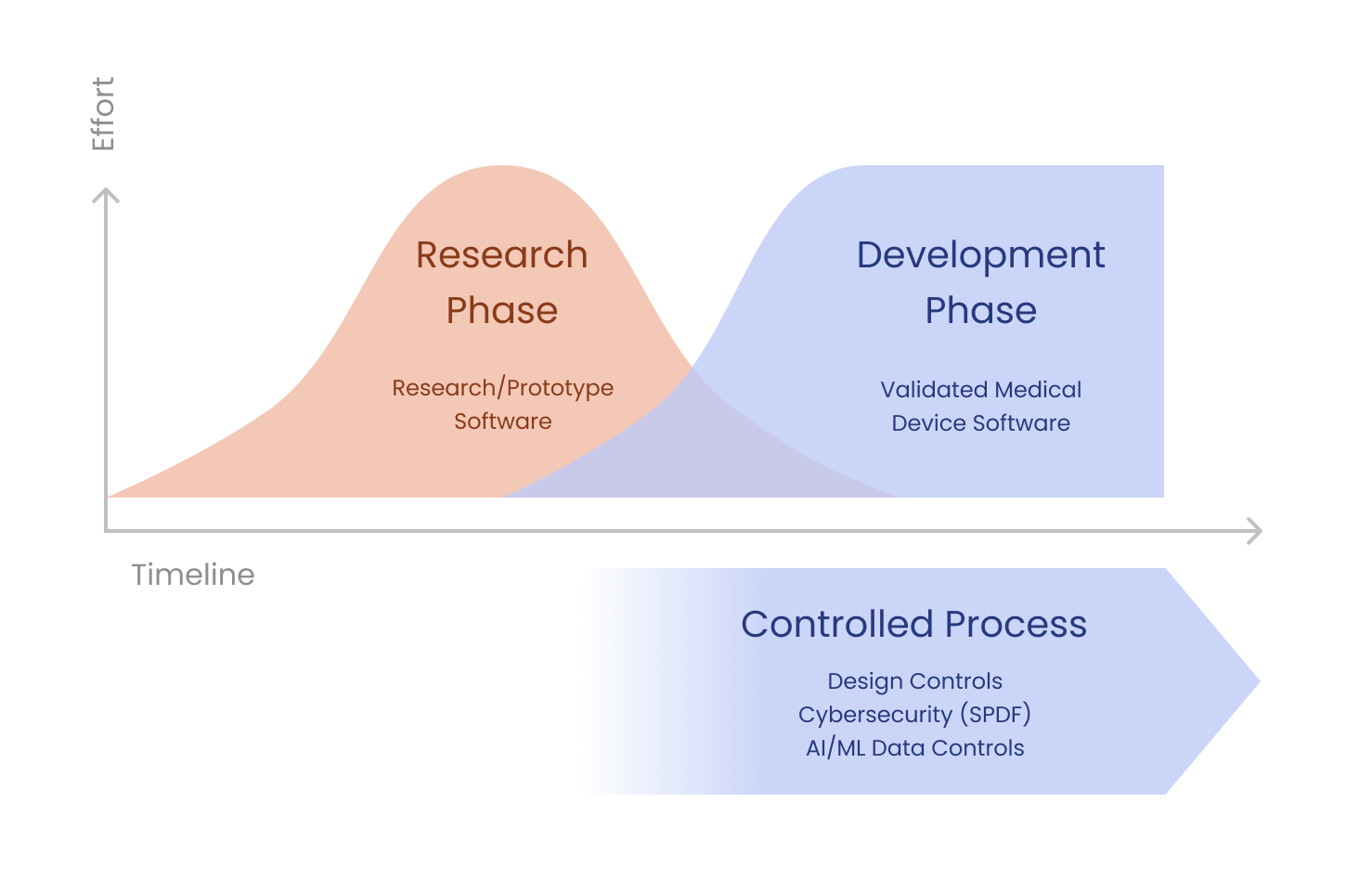
What goes wrong in a 510(k)?
510(k) Preparation Pitfalls: Best Practices, FAQs, and Examples
A comprehensive guide to SaMD 510(k) submissions, featuring an unredacted 510(k) as a practical example to illustrate FDA submission requirements.
Yujan Shrestha
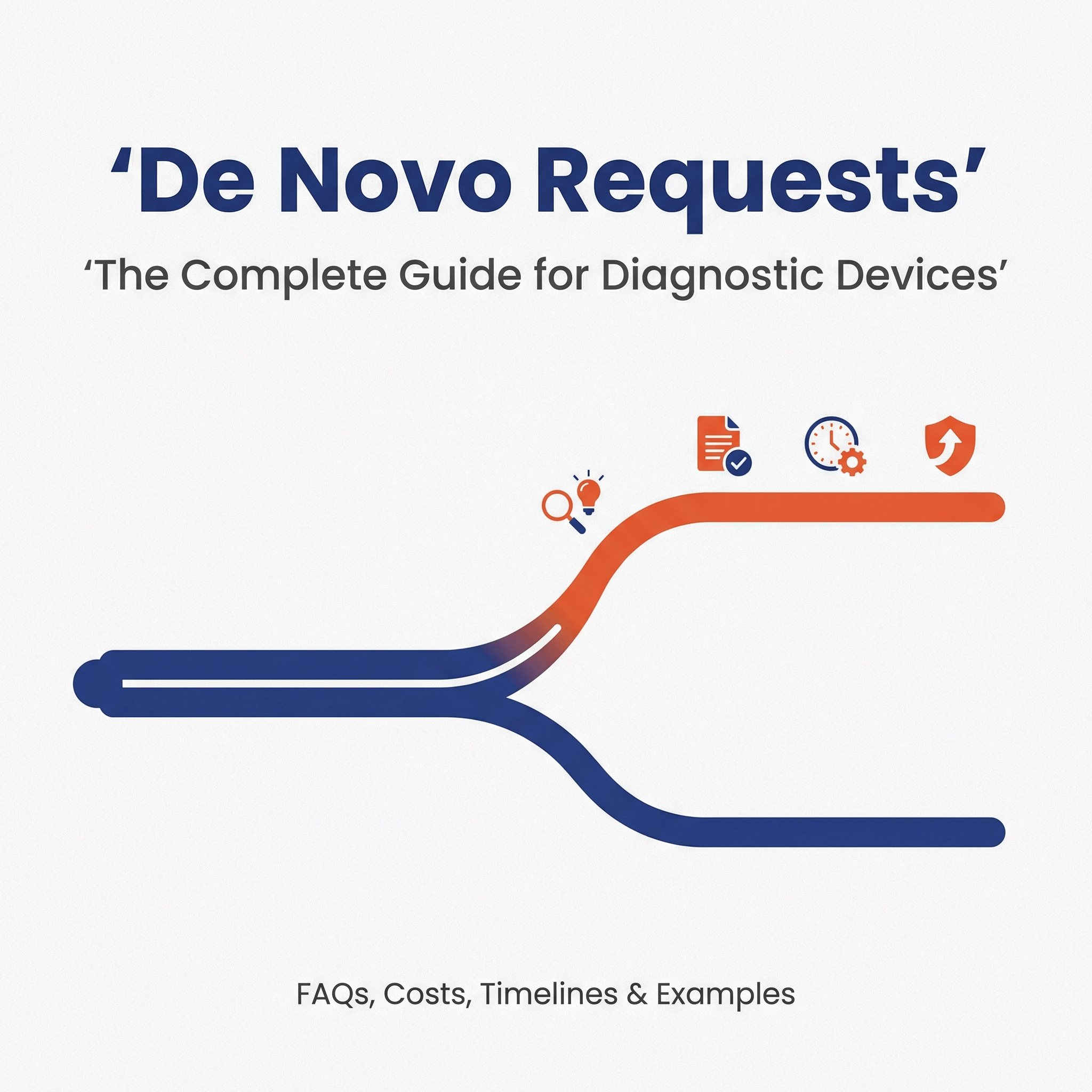
Should we use 510(k) or De Novo?
De Novo Requests for Diagnostic Devices: FAQs and Examples
A concise guide to the FDA’s De Novo pathway for novel, moderate-risk medical devices that lack a suitable predicate. It includes real-world examples and offers insider tips on ...
J. David Giese
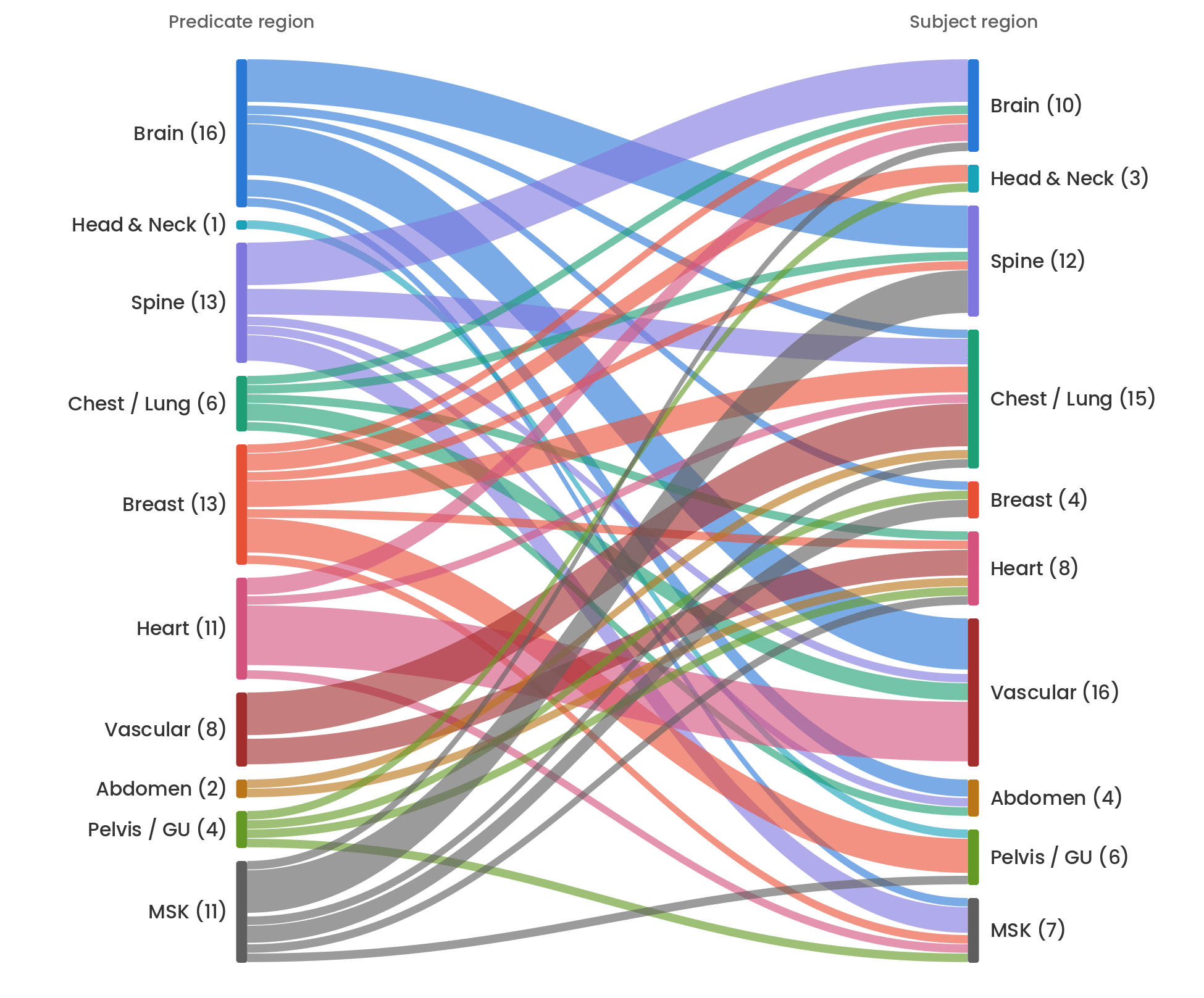
How far can a predicate stretch?
How Far Can a 510(k) Predicate Stretch?
The myth: your 510(k) predicate must match your body region, modality, and product code. We screened all 1,457 AI/ML-flagged FDA records across six axes of predicate distance an...
Yujan Shrestha
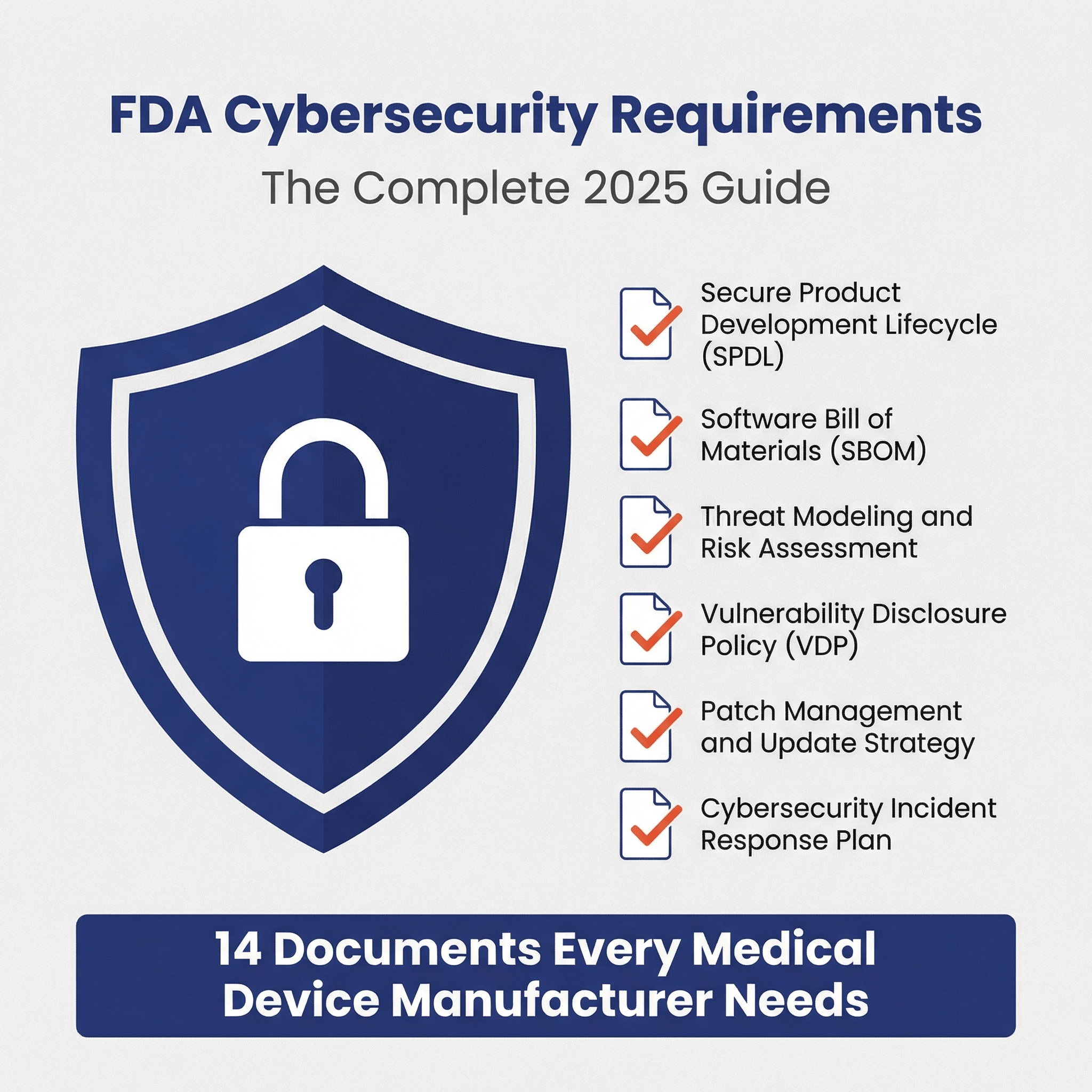
What does FDA expect on cybersecurity?
Medical Device Cybersecurity: Best Practices, FAQs, and Examples
This article provides an in-depth exploration of medical device cybersecurity requirements, including best practices and FAQs. It also includes examples and resources for those ...
J. David Giese
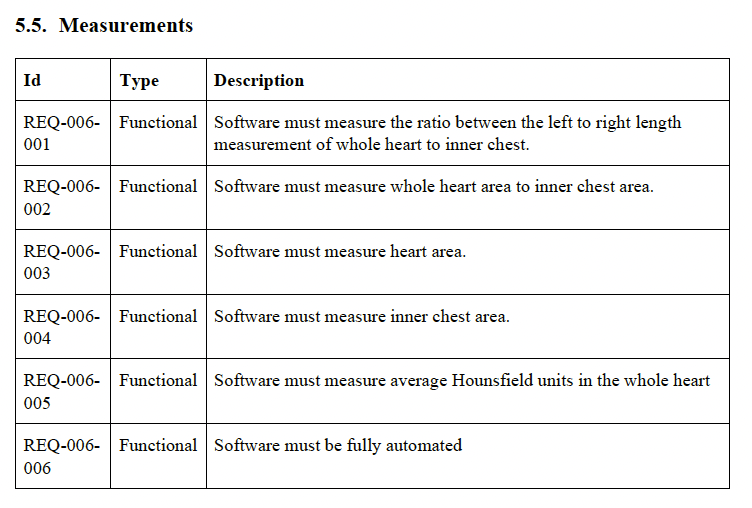
How do we set acceptance criteria?
Definitive Guide to AI/ML SaMD Acceptance Criteria
Setting acceptance criteria incorrectly (too high or too low) can delay your FDA submission by weeks or trigger rejection. This guide analyzed 784 AI/ML medical device clearance...
Yujan Shrestha
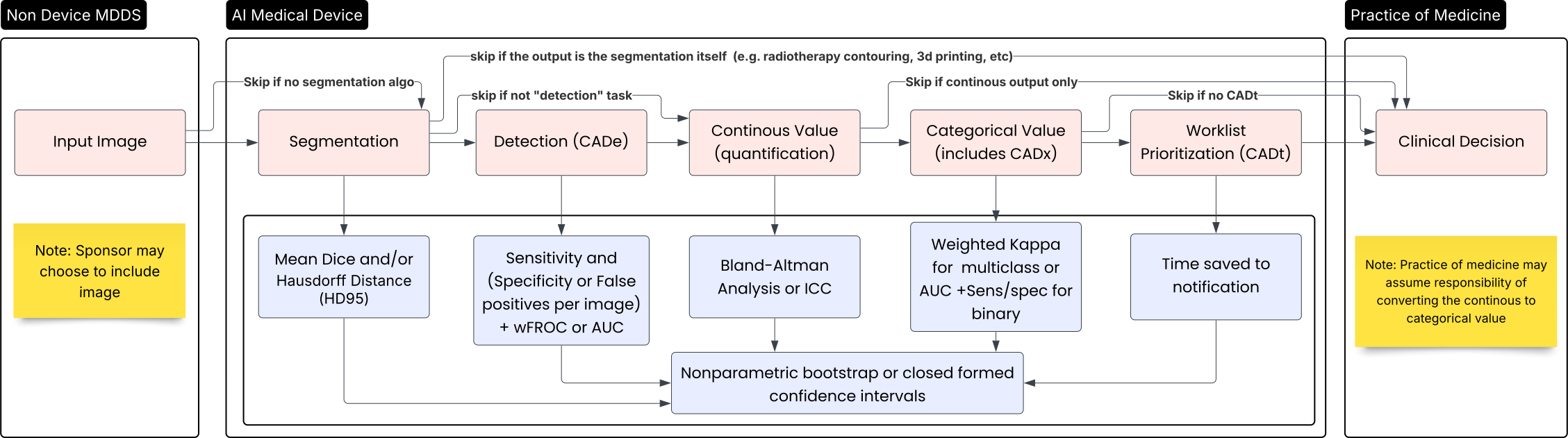
How do we keep updating the model after clearance?
PCCPs: Best Practices, FAQs, and Examples
With predetermined change control plans (PCCPs), FDA has given manufacturers a great new regulatory tool. In this article, we discuss PCCP best practices and questions based on ...
J. David Giese
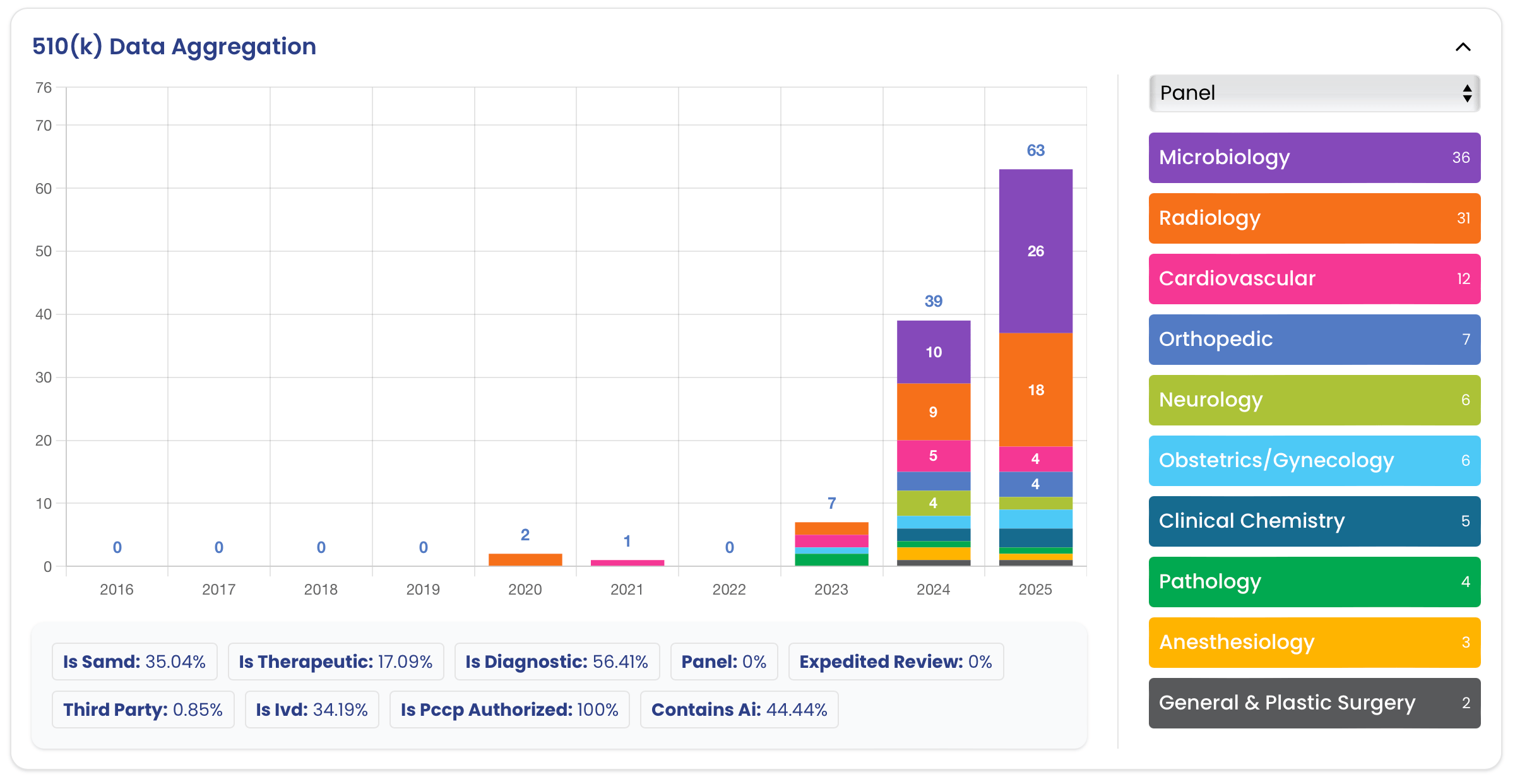
How should we ground truth the data?
Definitive Guide to AI/ML SaMD Ground Truthing
Here we analyze over 200 FDA 510(k) and De Novo summaries to tease out best practices for AI/ML study designs and adjudication strategies specifically.
Yujan Shrestha
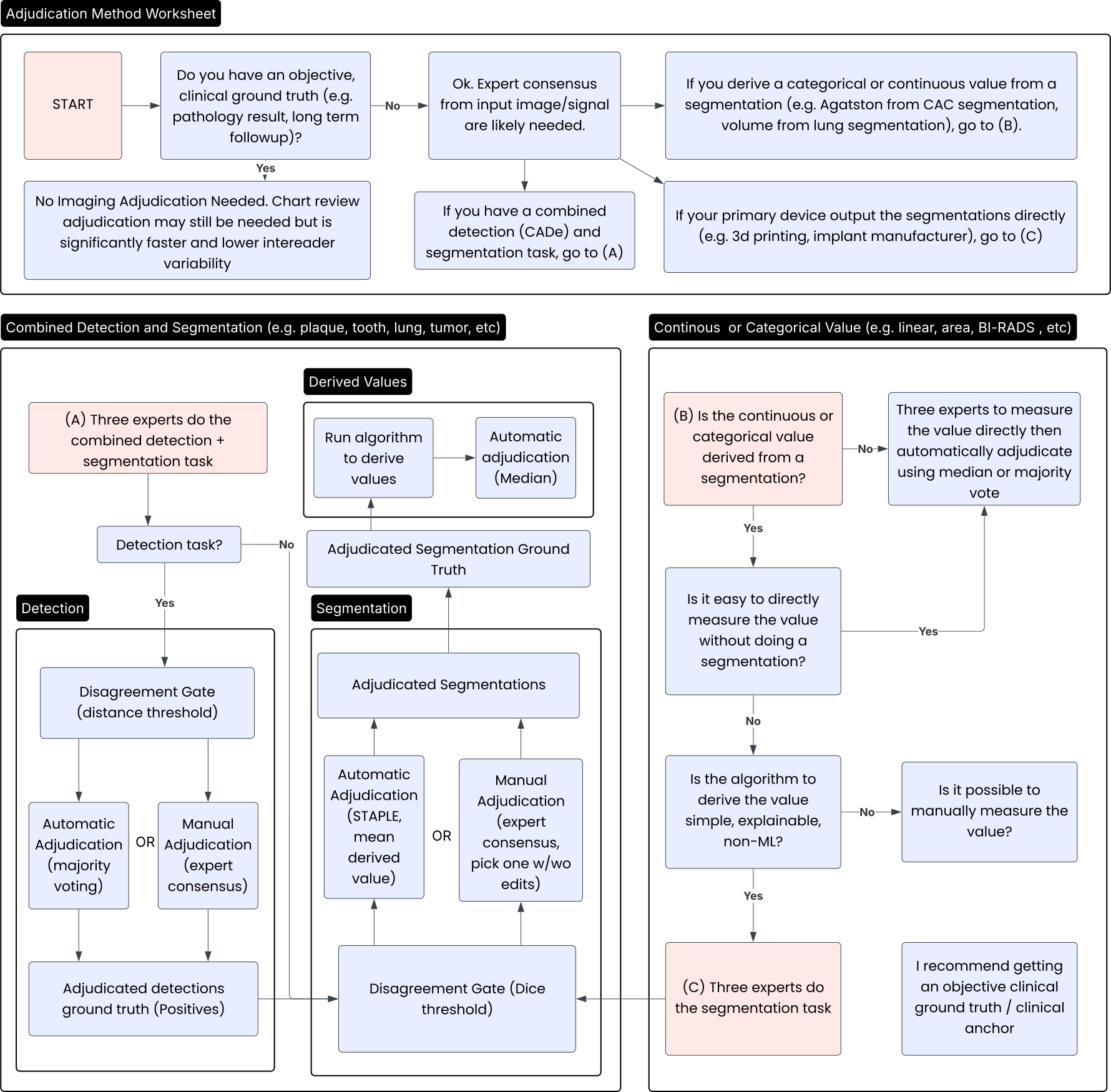
How do we handle off-the-shelf software?
Off-The-Shelf Software: Best Practices, FAQs, and Examples
An in-depth guide to navigating the use of off-the-shelf software (OTS) in the medical device industry. OTS software is general purpose software you didn’t develop yourself that...
J. David Giese

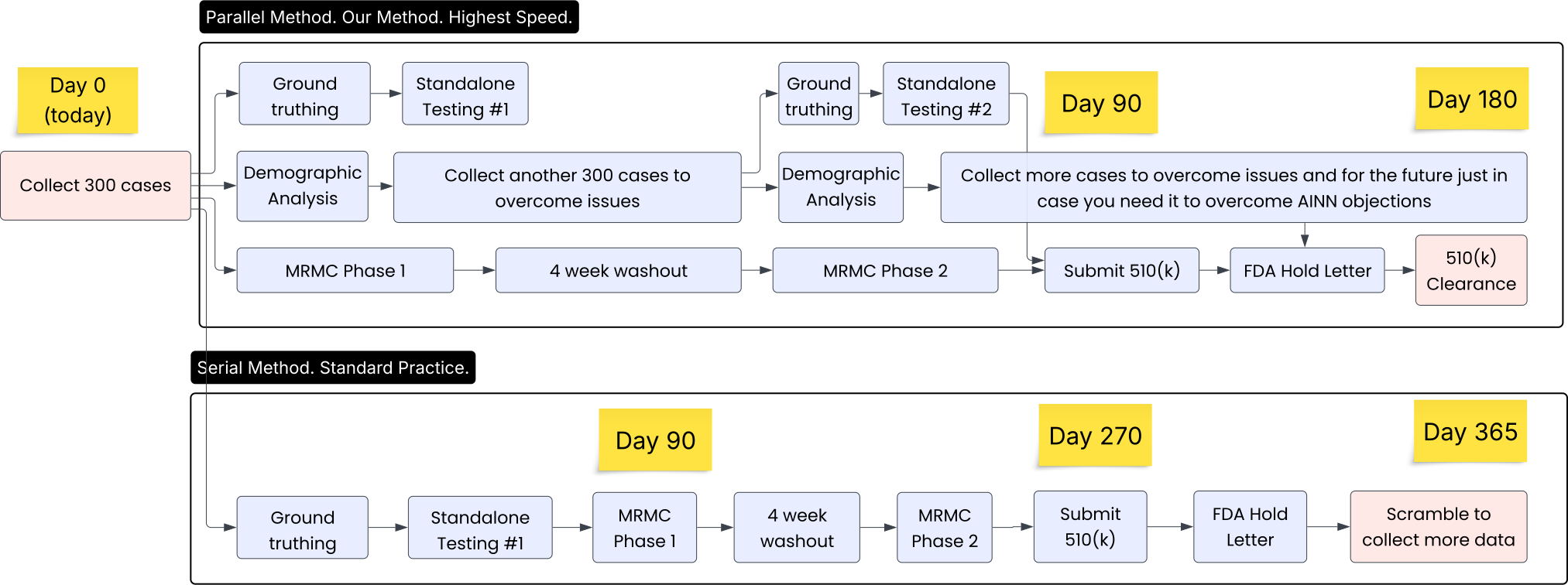
Do we need an MRMC study?
How to Plan MRMC and Standalone Studies for a 3-Month 510(k)
This article shows how to achieve an AI/ML SaMD 510(k) submission in ~3 months by running a compact, well-powered MRMC study while continuously accruing standalone evidence thro...
Yujan Shrestha
Need something else?
See our other services.
Regulatory strategy and FDA Pre-Sub, concept to cleared device, FDA cybersecurity, and QMS, each sold on its own.
Let's Talk
Every great partnership starts with a conversation. Fill out the form below for a discovery call, and an Innolitics team member will contact you soon.
I learned more from an hour-long Innolitics sales call than an entire paid engagement from other consultants.

Richard Clark
Executive in Residence at Washington University