
FDA's additional information letter usually asks for more detail on the performance data: agreement plots, error metrics, distributions, reference standard method, site and patient counts, and subgroup results. The clinical team answers each item from the locked data where it can, re-runs the analysis when a claim or feature is removed, and keeps the report, labeling and 510(k) summary consistent with the new numbers. The response goes back within the hold period.
On the map: Answer clinical and statistical deficiencies. Outlier and subgroup re-analysis after a claim is narrowed.
Rows are disciplines, columns are stages 1 to 8. Select a square to open that task.
Back to the full map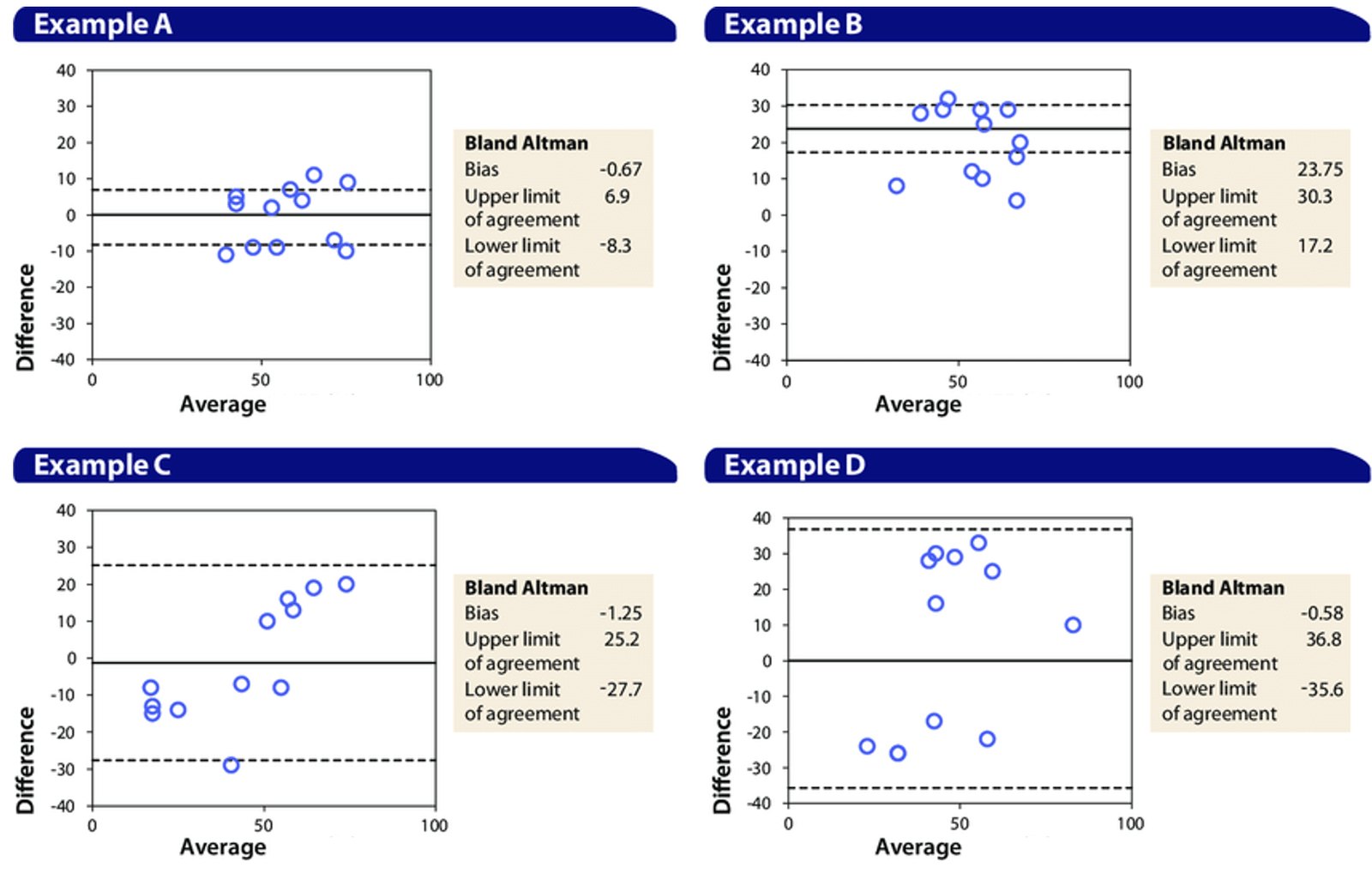
Re-run analyses only on the locked data with the methods set in advance. Agree with regulatory whether a narrower claim answers the deficiency faster than new data.
Each deficiency is restated and answered with the data requested, an explanation of why it does not affect the decision, or alternative information. Requests about presentation, such as Bland-Altman plots, absolute error, histograms or an extra segmentation metric, are answered by re-analysing the locked test set. New cases are collected only when precision or subgroup coverage is too thin.
If a feature or indication lacks support that FDA will accept, removing it is often faster than defending it. The team then re-runs every analysis the change touches and updates the software version, labeling and summary together.
Every point outside the limits of agreement is looked at and classed by cause, such as reference error, input outside scope, or device failure. Exclusions follow the pre-specified rules only, and the response shows the full data so the reviewer can see nothing was dropped quietly.
It is reported with counts and confidence intervals and stated as not powered. The argument rests on consistent direction across subgroups and on reader-to-reader variation as a yardstick.
See the open positions and apply.