
When FDA sends an additional information request, engineering re-runs the frozen model on the same test set to produce the analyses the reviewer asked for, such as agreement plots, error distributions, extra metrics and subgroup breakdowns. Outliers are pulled and reviewed case by case to explain the failure mode. Where a claim or feature cannot be supported in the response window, the team removes it. Where the reviewer finds a gap in requirements or tests, engineering adds the requirement, writes or rewrites the test, and releases a new verified version under change control.
On the map: Re-run analyses. Investigate outliers, descope weak claims. Add a missing requirement and test.
Rows are disciplines, columns are stages 1 to 8. Select a square to open that task.
Back to the full map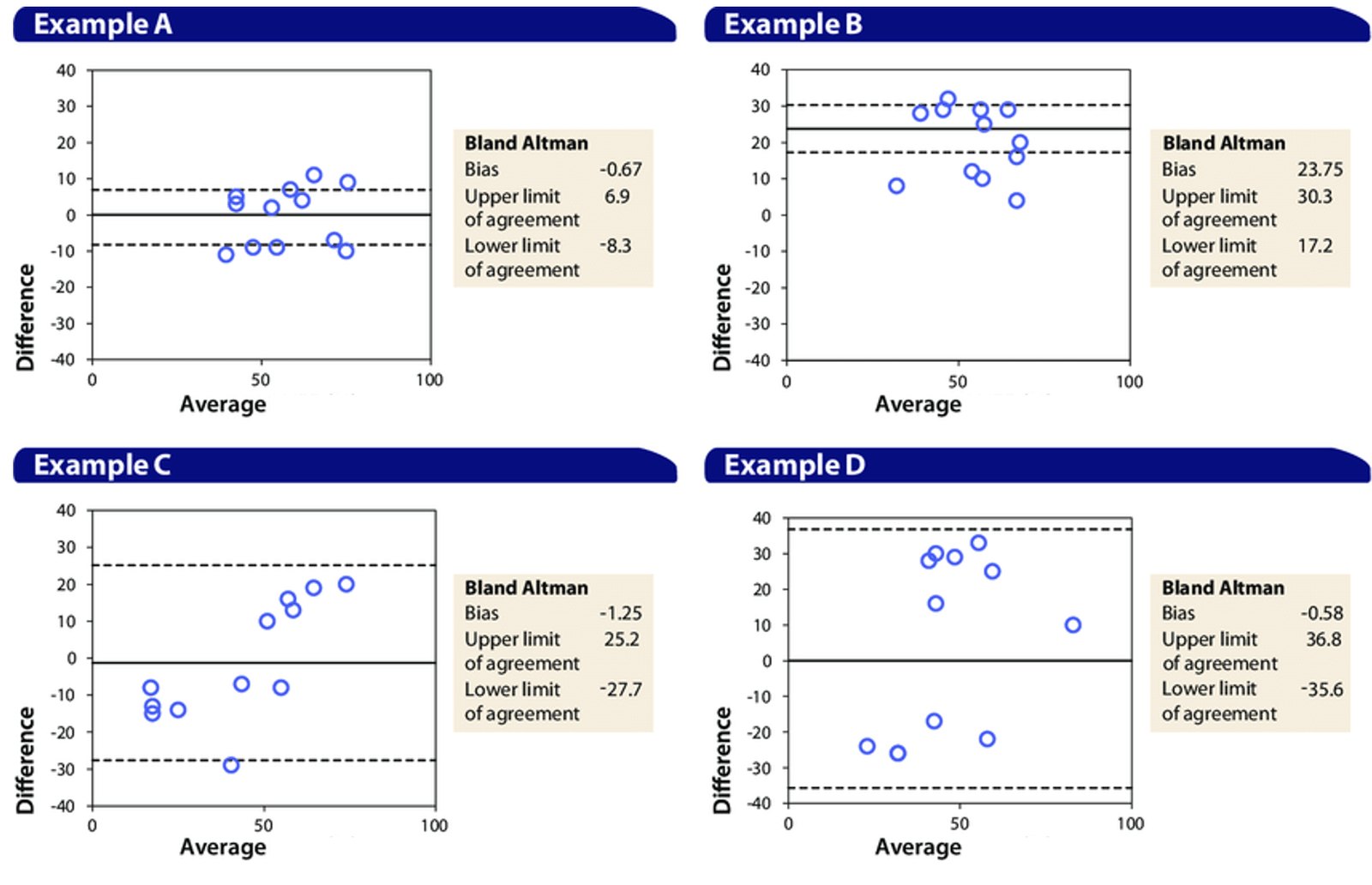
Before changing code for a deficiency, ask regulatory whether narrowing the claim is cheaper, and ask quality which verification must re-run under change control.
The team first checks whether the stored per-case outputs and reference annotations can answer the question. Agreement plots, absolute error, distance metrics and subgroup tables usually can. New cases or new reader annotations are a last resort because the response clock is fixed.
A result that is close to a target and has a reasoned clinical argument, such as performance comparable to reader-to-reader variation, can be defended with added analysis. A feature that rests on an assumption the team cannot support with references, such as a default threshold, is removed and the labeling and version history are updated.
Every fix goes through the same change control as before submission: a requirement update, a new or revised verification protocol, a new version number, regression scope, and an updated version history. The response cites the new verification report so the reviewer sees evidence for the version that will ship.
See the open positions and apply.